

- Home
- News
- AI Insights
- AI-Generated Images vs Real Product Photography: When to Use Which
AI-Generated Images vs Real Product Photography: When to Use Which
- Published:
- 2025-10-15 10:00:00
- Source:
- AIMI Visual Media
- Reading Time:
- 2 min read
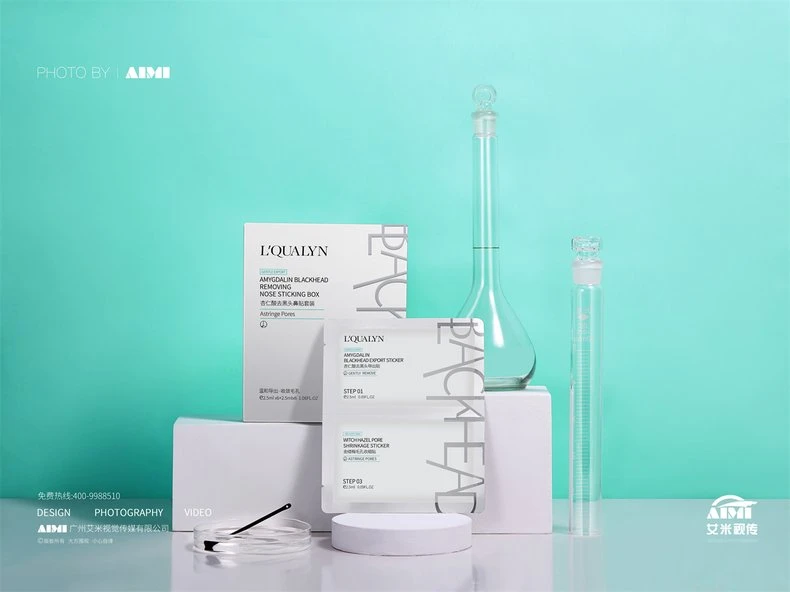
The single most common question we've had from clients over the last 18 months is some version of can't we just use AI to generate this? The honest answer is: sometimes yes, sometimes absolutely not, and the boundary keeps moving as the tools improve. Here is how we currently think about it at AIMI.
Where AI Image Generation Genuinely Wins
For a handful of use cases, generative AI is already the right tool:
- Concepting and mood boards — iterating 20 visual directions in an afternoon would have been impossible two years ago. We use AI image generation in pre-production almost daily.
- Background and environment plates — generating a luxury hotel bathroom backdrop is faster and cheaper than building one, then compositing real product over it.
- Lifestyle context for products that are themselves photographed — a real coffee bag on an AI-generated kitchen counter, for example.
- Social and ad creative where exact product fidelity is not the headline (think hero campaign frames where the product is small in the composition).
Where AI Image Generation Fails Badly
The categories where AI consistently produces unusable output, in our testing:
- Marketplace e-commerce — Amazon, Shopify, Tmall, and most major platforms have policies prohibiting wholly AI-generated product images, plus customer-protection rules that make "not as shown" returns expensive.
- Products with specific branding or text — AI still mangles logos, labels, ingredient lists, and small text in ways that range from amusing to legally problematic.
- Premium fashion and beauty where fabric texture, skin tone accuracy, and material rendering need to be exact.
- Products with regulated claims (cosmetics, supplements, electronics) where any depicted feature must accurately represent the real product.
The Hybrid Workflow We Use Most Often
For most projects the answer isn't "AI or photography" — it's both. A typical AIMI hybrid project might look like:
- Real product photography on a clean cyclorama (8 angles per SKU)
- AI-generated environments and seasonal context plates
- Compositing the real product into the generated backdrop with proper colour matching and shadow work
- Final retouching and grading
The result reads as a fully art-directed studio shoot, costs 30-50% less than building elaborate sets, and keeps the actual product image legally and technically authentic.
Our Default Recommendation
When in doubt, photograph the product. Use AI for everything around the product. Brands that get this wrong (full AI product imagery) tend to find out the hard way — either through marketplace policy enforcement or through return rates spiking once buyers compare expectation to reality.
Want help planning a hybrid project? Send us a brief and we'll scope it across photography and AI components.
 CallonFounder & Visual Marketing Director