

Jewelry Manufacturing Process Photography
- Published:
- 2024-01-15
- Lead Photographer:
- Garbo (Director of Photography)
- Source:
- AIMI Visual Media Co., Ltd.
- Last Updated:
- 2026-09-21 16:45:00
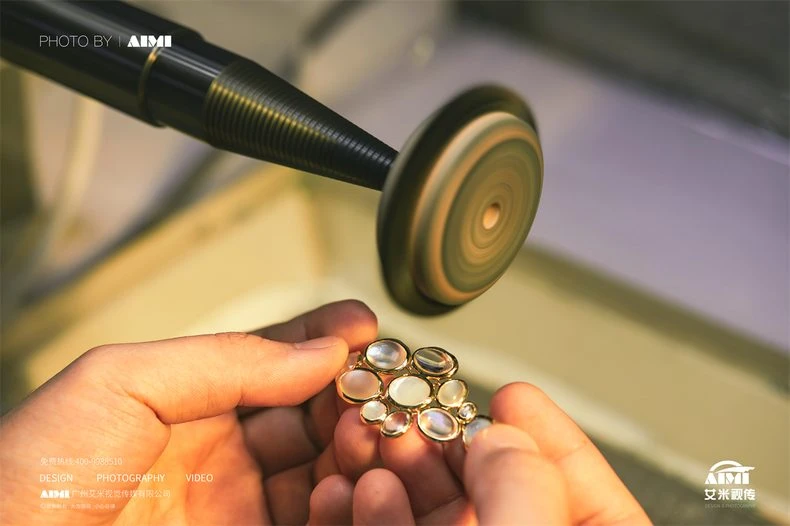
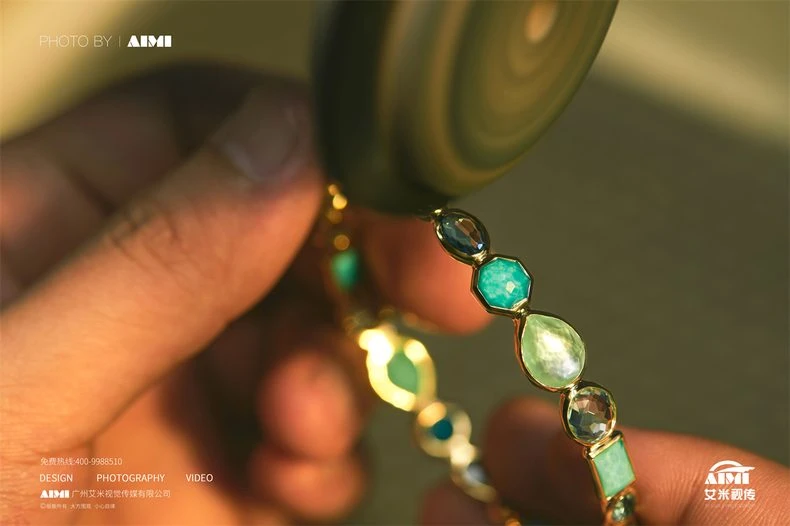
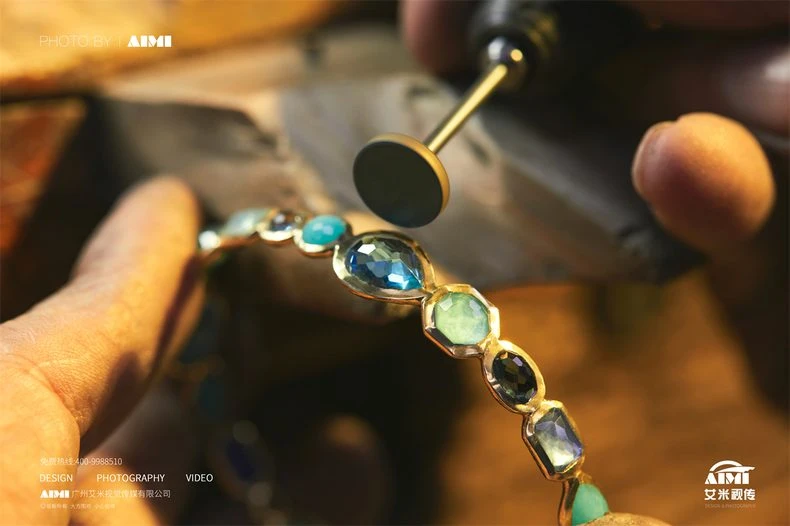
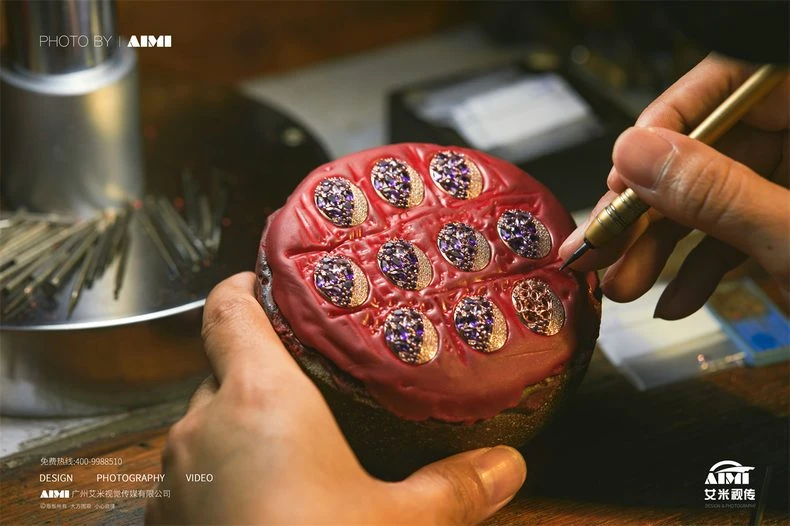
An on-location workshop documentation from the AIMI Visual Media team in Guangzhou, China: 15 frames covering one custom jewelry workshop end to end, from hand-rendered design sheets through mold making, lost-wax casting and fine stone setting to the final polish. Browse related work in our corporate and office photography services page.
▶ View full project details, specifications & FAQ
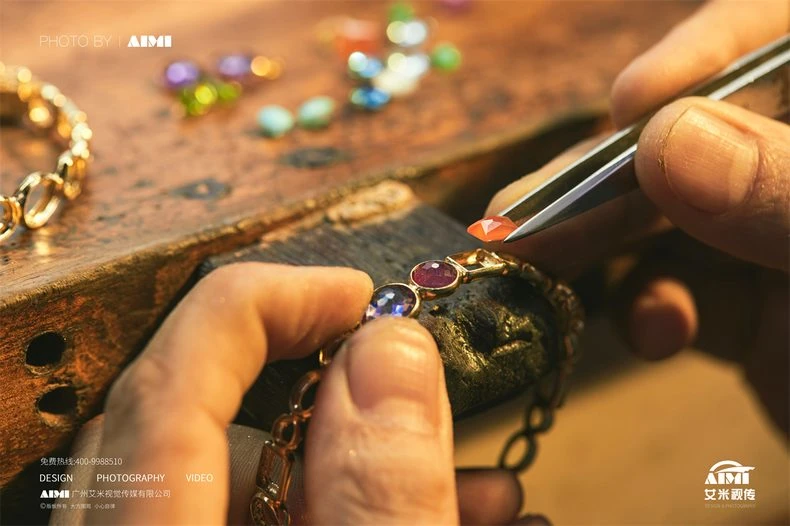
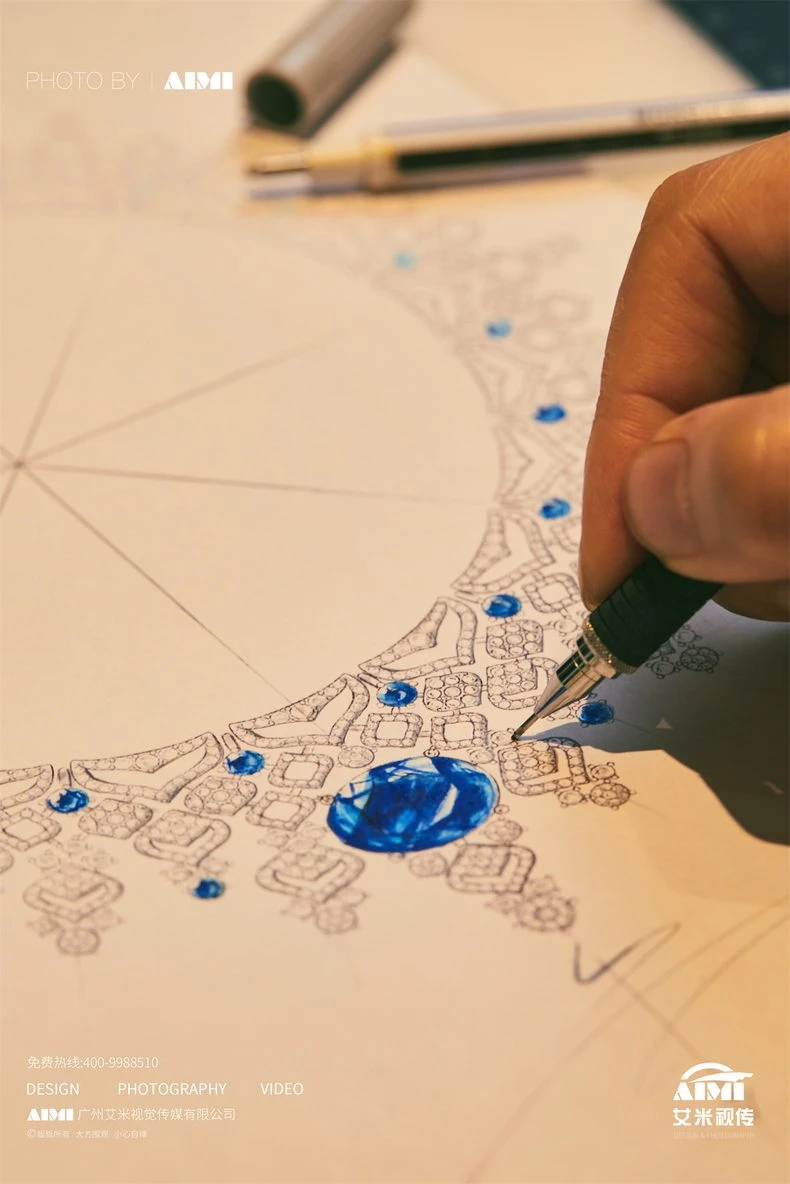
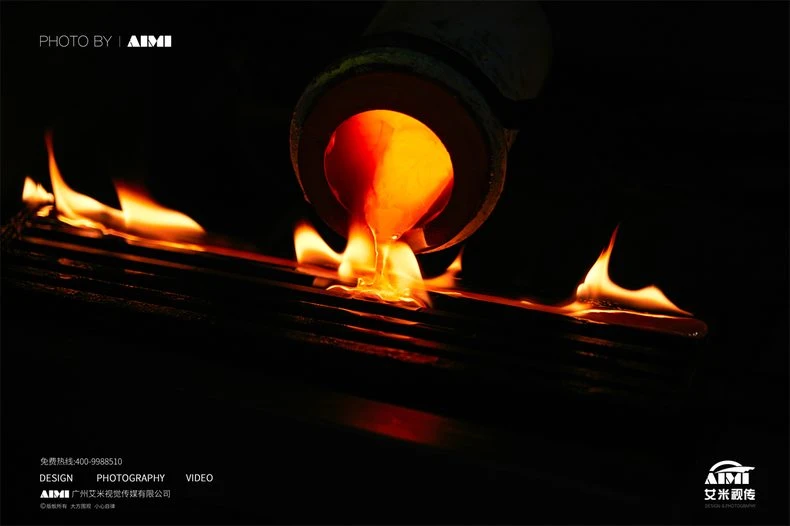
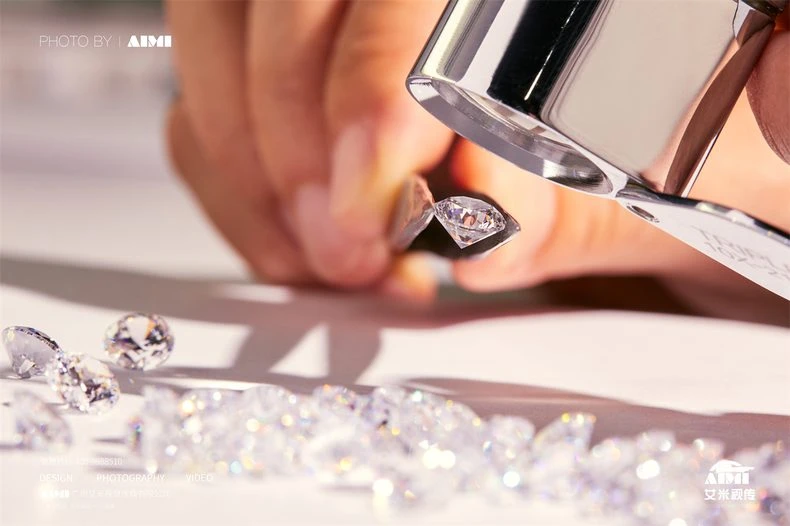
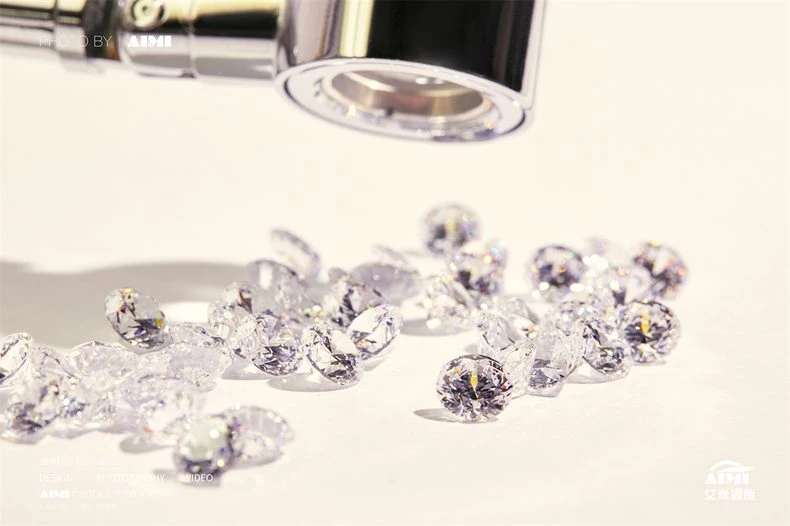
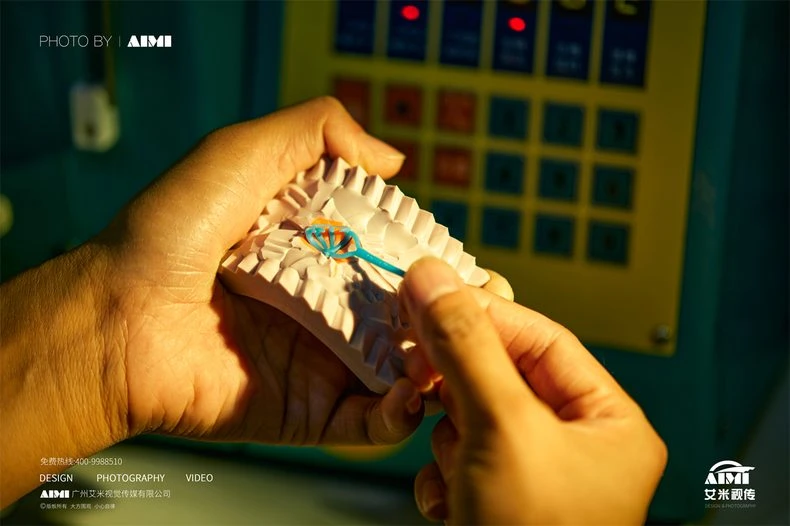
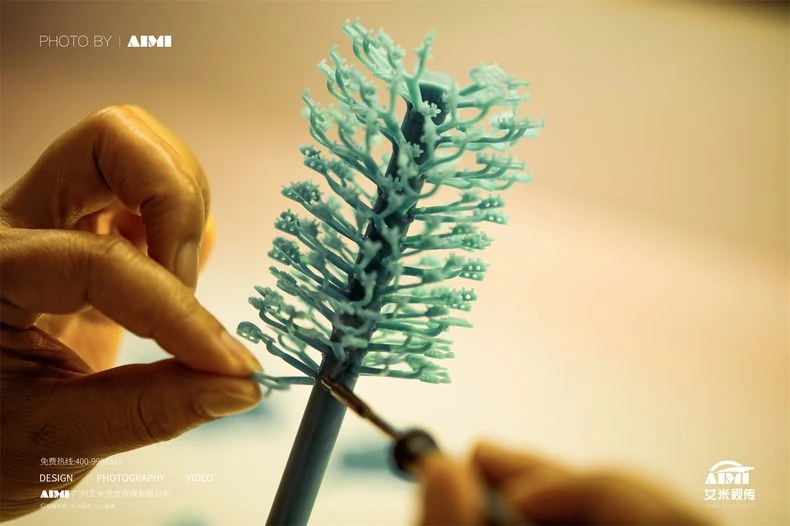
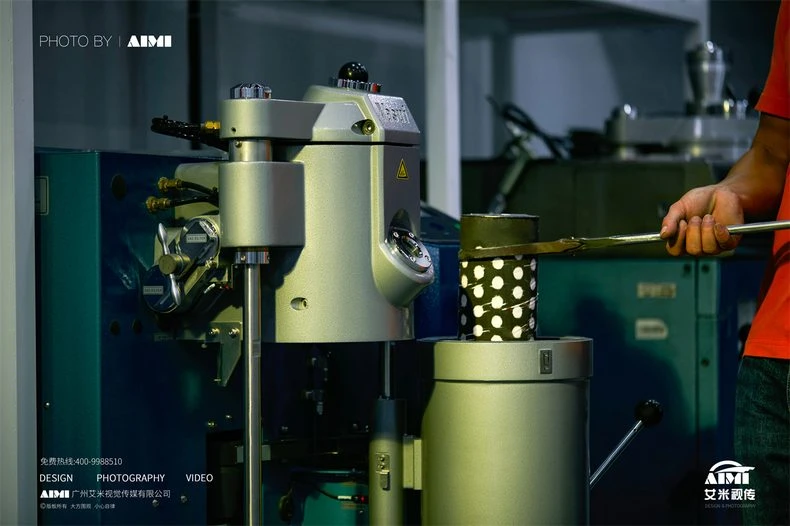
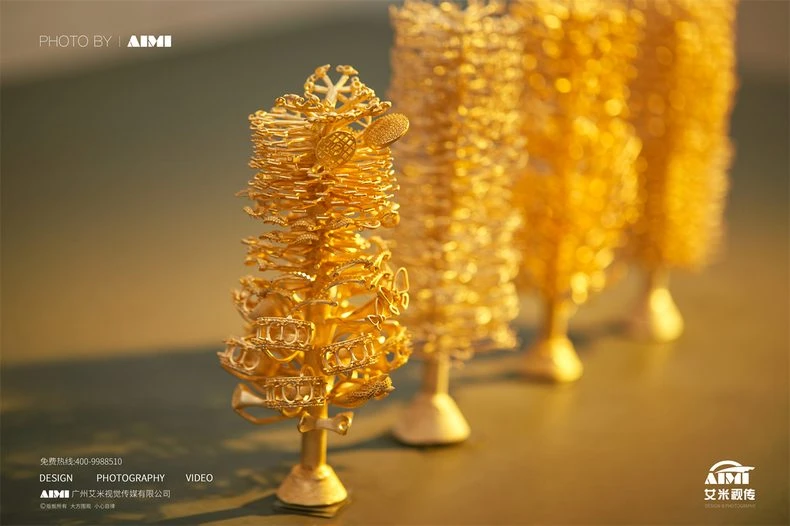
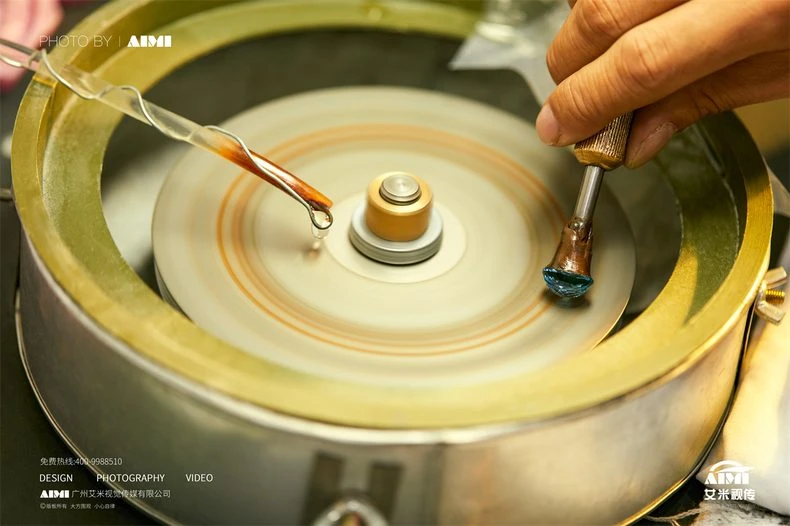
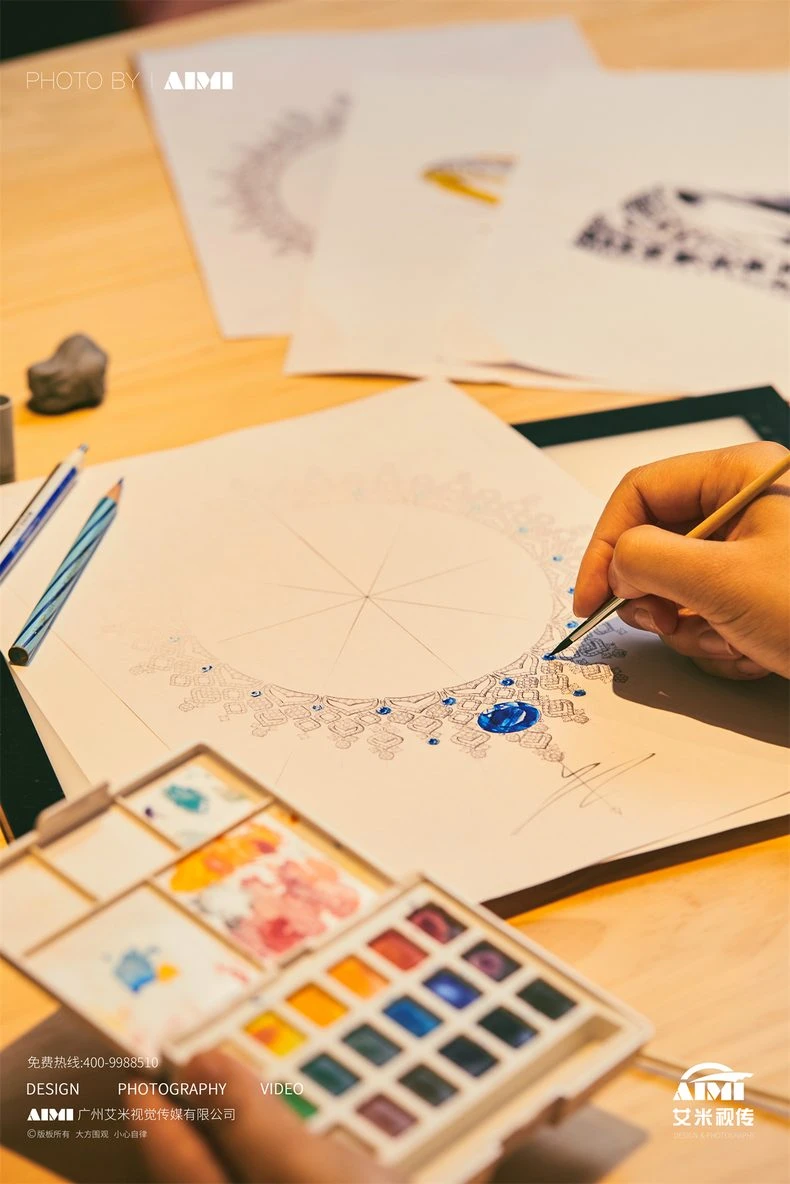
The brief was a full process record a jewelry maker could use for client presentations: every stage a custom piece passes through, in order, on a working floor. The set opens at the finishing end with three polishing frames, an opal-set ring against the buffing wheel, a mixed-cabochon bracelet on the rotary, and a multi-gem bracelet under the felt point, because finish is where the client judges craft. It then moves back through stone setting on the red wax dop, bench assembly with tweezers, and the design desk with its dip-pen and watercolor renderings. The middle of the set carries the heavy process: molten metal over open flame, the rubber mold, the turquoise wax tree, the vacuum casting machine, and raw cast trees straight from the flask. Gem inspection and the polishing lap close the loop.
| Project Overview | |
|---|---|
| Client | Custom jewelry workshop, Guangdong |
| Subject | End-to-end manufacturing process: design, mold, casting, setting, polishing, inspection |
| Shots Delivered | 15 on-location frames |
| Lead Photographer | Garbo, Director of Photography |
| Shoot Location | Client workshop, Guangdong, China |
| Turnaround | 5-7 business days |
| Usage License | Full commercial license |
Photography Challenges
1. Extreme light range on one floor. Torch glow beside shaded benches spans many stops. Exposure is biased to hold the molten metal just below clipping, and shadow benches are opened in grade, so flame and workbench sit in one coherent series.
2. Macro detail with hands in motion. Setting and polishing happen at centimeter scale with moving hands. A 100mm macro at f/4-f/5.6 keeps the work plane sharp and lets the hands fall soft, so the craft reads without gesture blur at 1/125s and up.
3. Polished metal mirrors everything. Gold surfaces throw the camera and window back at the lens. Camera position is chosen so reflections read as clean gradients, and the remaining bright spots are retouched only where they distract.
4. A working floor cannot stop. Craftsmen keep their production rhythm. Each station gets a short study pass first, then frames are taken between operations, so the record is real process rather than restaged poses.
Our Approach
Story order before shot order.
The deliverable is sequenced design, mold, cast, set, polish, inspect, so a viewer can walk the process; the shooting order followed machine and craftsman availability instead.
Available light first, support second.
Workshop task lights and torch glow carry the frames; a small LED panel fills only the design desk and mold shots, keeping the floor look honest to how the work is actually lit.
Tight, then wide.
Each station is covered macro first for the hand-work detail, then wide for context, like the casting machine frame that anchors the scale of the operation.
Hands as the human thread.
Craftsmen stay anonymous by design: frames crop to hands, tools and work, which keeps the series about craft and clears client approval in one pass.
"A process series lives or dies on sequence. Shoot what the floor gives you, but deliver the order the story needs." — Garbo, Director of Photography
| Technical Specifications | |
|---|---|
| Camera | Canon EOS R5 |
| Lens | RF 100mm f/2.8L Macro; RF 35mm f/1.8 for wides |
| Lighting | Available workshop light with one LED fill panel |
| Sets/Styling | Client production floor as found |
| Talent/Props | Workshop craftsmen, hands-only framing |
| Retouching | Reflection cleanup, series grade, flame highlight control |
| Deliverables | 15 images, 2000px sRGB JPG + WebP |
Frequently Asked Questions
How is a manufacturing process shoot priced?
On-location industrial documentation is quoted per project: the number of stations, floor access windows and the shot list length drive the rate. Studio product work starts at $12 per image under our Essential package for reference. Send your brief and we will return a written quote.
Can you shoot without stopping production?
Yes. We study each station first and shoot between operations, so craftsmen keep their rhythm and the frames still land sharp.
Can you cover both macro detail and wide context?
Yes. Every station is shot at two scales: 100mm macro for the hand-work and a 35mm wide for the machine or room context.
What is the turnaround?
Standard delivery is 5-7 business days from shoot day, including retouching and the sequenced final set.
Will our process details stay confidential?
Yes. Frames are reviewed with your team before delivery, and any fixture, readout or step you flag is excluded or blurred.
Who owns the images?
Your company does, under a full commercial license covering presentations, web, catalog and trade use.
Documenting a manufacturing process?
Contact AIMI Visual Media in Guangzhou, China for on-location process photography that turns a working floor into a sequenced client-facing story.
Get a Free Custom Quote View More Corporate & Office CasesRelated services: Amazon FBA Photography · Near-Factory Photography
Related cases: laboratory process photography · medical vial production line photography · architecture & environment photography
 Photography Insights
●Why Global Brands Outsource E-commerce Photography to China
- Why global companies move corporate and product photography to China studios.
●Product Photography Pricing in China - 2026 Complete Guide
- Photography pricing in China for 2026: what drives rates, package tiers, and how to compare quotes on equal terms.
●How to Choose a Product Photography Studio in Guangzhou, China
- Choosing a Guangzhou studio for corporate work: access logistics and on-location lighting.
●Amazon Product Photography Requirements, Tips and How to Get It Done in China
- Amazon image requirements explained: specs, main vs lifestyle slots, and the listing mistakes to avoid.
●Amazon Product Photography Cost Guide 2026
- What Amazon product photography costs in 2026 and how to budget per SKU and per session.