
How do you photograph an industry that has ten thousand SKUs, no consumer-facing catalogue, and a buyer who cares about part numbers more than glamour? In August 2020, the Guangzhou-based aftermarket platform CarBackGood asked AIMI Visual Media to figure that out.
The buyer is not a consumer
Almost everything written about product photography assumes a retail consumer scrolling on a phone. Auto-parts photography is the opposite: the viewer is usually a mechanic or a parts buyer at a repair chain, looking at a wholesale platform on a desktop, comparing five lookalike SKUs against an OE part number.
What that buyer actually needs from a photo:
- Unambiguous identification of the part — the right shape, the right fitting, the right markings.
- A clear shot of any printed part number or barcode visible on the casting or housing.
- Consistency across the catalogue, so two parts in the same category don’t look like they came from different studios.
This is closer to a parts diagram than to a magazine spread.
About the client: CarBackGood
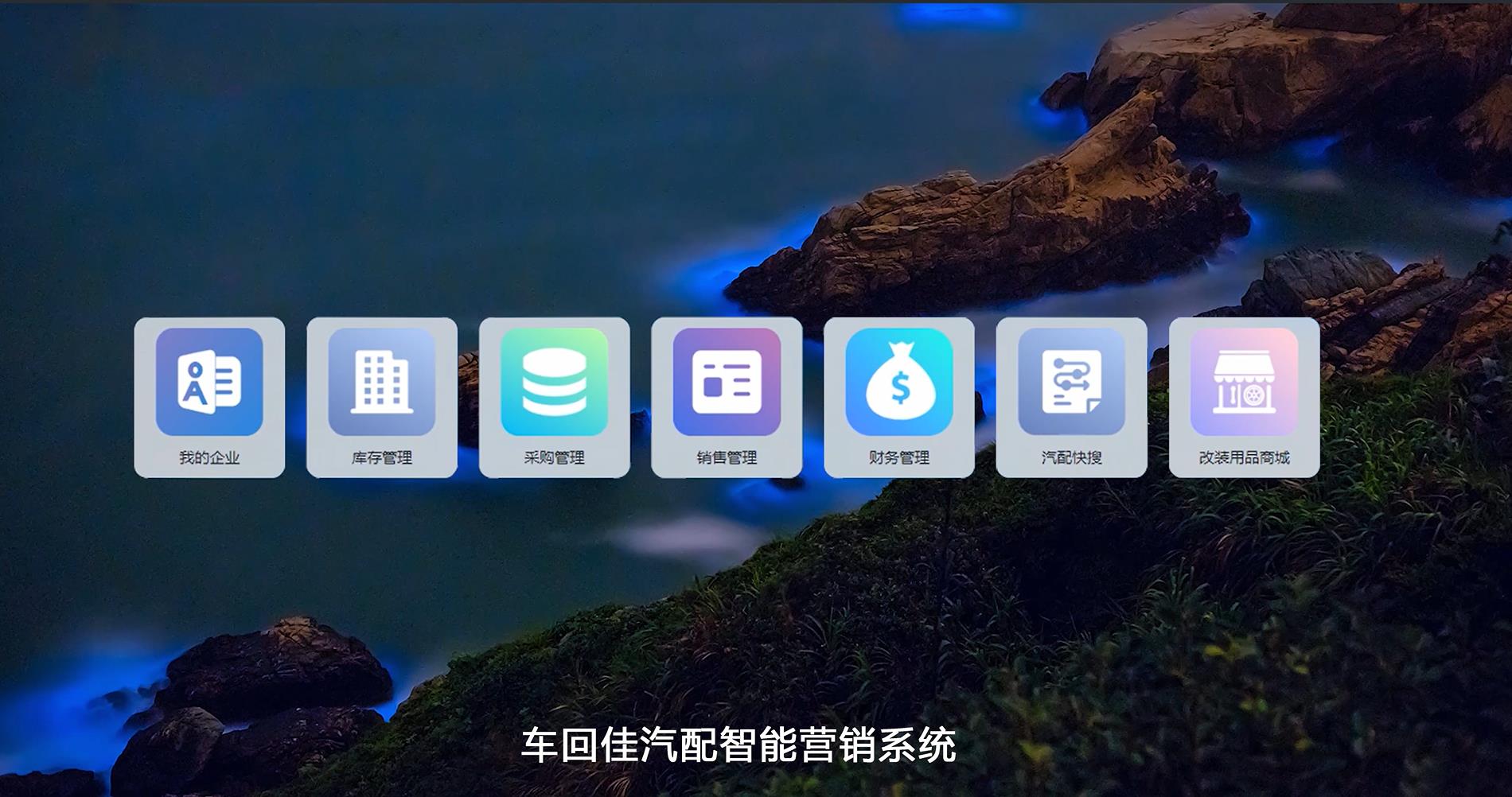
Carback (Guangzhou) Technology Co., Ltd. — brand name CarBackGood (车后好) — is a Guangzhou-headquartered technology company building what it calls an EAIP (Edge AI Platform) operating model for the automotive aftermarket. In plain language: an IoT-driven matching engine that connects three previously poorly-linked sides of the Chinese aftermarket:
- Online demand — vehicle owners and repair shops looking for a specific part.
- Parts factories — manufacturers and assemblers with stock or production capacity.
- Offline repair shops — the terminal point where the part is physically installed.
For the system to work, every SKU on the platform needs verifiable visual identity. That is the gap AIMI was asked to fill.
What “catalogue photography” means at this scale
Three operational decisions defined the working method:
Background once, lighting once
For a catalogue of this depth, you do not relight every part. You build one neutral, daylight-balanced background and one repeatable lighting key, and feed parts through it like a small assembly line. The studio configuration is documented so that a re-shoot months later matches the original.
Three angles, not ten
Each part receives a front, three-quarter, and a detail — with the detail framed on whatever feature distinguishes the SKU from its near-neighbours (a different bolt pattern, a different housing colour, a different connector).
Reads on a small thumbnail
Aftermarket platforms render parts at thumbnail size in search lists. Hero images are tested at 200×200 pixels — if the part is unrecognisable at that scale, the composition is reworked. This is closer to icon design than fashion still life.
About AIMI Visual Media
AIMI Visual Media is a commercial photography studio in Guangzhou, working across product photography, advertising video production, and visual design and direction. The studio handles both brand campaign photography (slow, hero, narrative) and catalogue photography (fast, repeatable, throughput-oriented) — with separate workflows for each.
Adjacent industrial-and-technology category work: Jabil (China) EMS corporate imagery and TCL consumer electronics.
Q&A about high-volume catalogue work
What is a sensible per-SKU cost expectation for catalogue photography?
Per-SKU cost falls sharply with volume because most of the cost is studio setup, not the shutter click. AIMI scopes catalogue work in batches of 50–500 SKUs and quotes a per-SKU rate at each band rather than a flat per-shoot fee.
How does AIMI handle SKUs that change between shoots?
The studio configuration is filed (lighting diagram, camera and lens, distance, post-production LUT). When a new SKU arrives in the same family three months later, the same setup is rebuilt and the new part slots into the existing visual grammar.
What about parts that are visually almost identical?
For SKUs that look 90% the same, the third frame (the “detail”) carries the disambiguating information — a connector, a casting code, a different fastener pattern. The shot list is briefed against the platform’s known confusion points, not photographed blind.
Does AIMI shoot 360-degree turntable views of parts?
Yes, when the platform consumes 360 spins. The decision is briefed up front because turntable photography uses a different rig and lighting from flat hero work and is priced separately.
How do we start a catalogue program?
Send AIMI a sample of the SKU list with image references for what currently exists, plus the platform pages where photos will appear. The studio responds with a per-band quote and a small test shoot to align tone before the full run begins.
Related case studies
- Jabil (China) — corporate and industrial photography for a Fortune 500 EMS provider
- TCL — consumer electronics across product families
- NetEase Zhicheng Gong — technology product photography
- All AIMI case studies
Photographing a parts catalogue, not a campaign?
If your platform needs hundreds or thousands of parts photographed at consistent quality — with a per-SKU cost that scales sensibly — AIMI runs a separate catalogue workflow exactly for that. Send the SKU list and we’ll come back with banded pricing and a test batch.
Get a banded quote maggie@airmie.com
 Related Articles