

Pet Product Photography Guide: Gear, Toys and Accessories That Sell
- Published:
- 2026-10-05 10:00:00
- Source:
- AIMI Visual Media
- Reading Time:
- 6 min read
1. Why Pet Products Are Tricky to Shoot
Pet gear looks simple on a listing page and behaves badly under studio light. Nylon webbing on harnesses picks up a sheen that makes cheap products look cheaper if the light is too direct. Plush beds and faux-fur mats swallow light and lose all texture under flat illumination. Reflective strips — the selling point of any walking gear — either disappear or blow out to pure white unless you light for them deliberately.
Then there is the scale problem. A dog bowl photographed alone could be a soup bowl. A cat grooming hood could be a baby hat. Pet products need size cues that human-product photography gets for free, and getting those cues into frame without hiring a dog is most of the craft.
None of this is guesswork for us. AIMI’s Guangzhou studio has handled home and lifestyle products since 2007 — 180,000+ finished images for 6,000+ brands — and pet accessories sit inside that same discipline: control the material, prove the scale, respect the platform spec.
2. The Shots That Convert for Pet Gear
A converting pet-listing image set usually covers four bases:
- Clean main image — pure white background, product filling most of the frame. This is the marketplace gatekeeper shot, and it is harder on plush and webbing than on a carton.
- Scale proof — the product next to a familiar object, or held/worn in a styled scene. Buyers return pet gear that arrives a different size than they imagined; scale shots cut that risk.
- Material close-ups — macro texture of stitching, buckle hardware, fabric weave. Pet buyers equate visible build quality with animal safety.
- Feature callouts — infographic overlays for adjustable ranges, weight limits, washable parts.
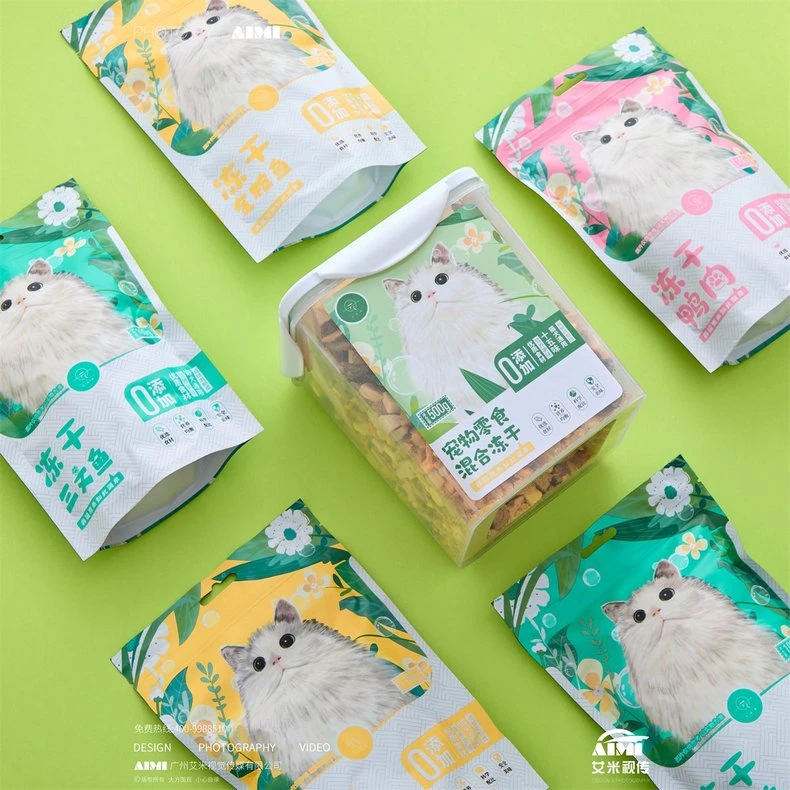
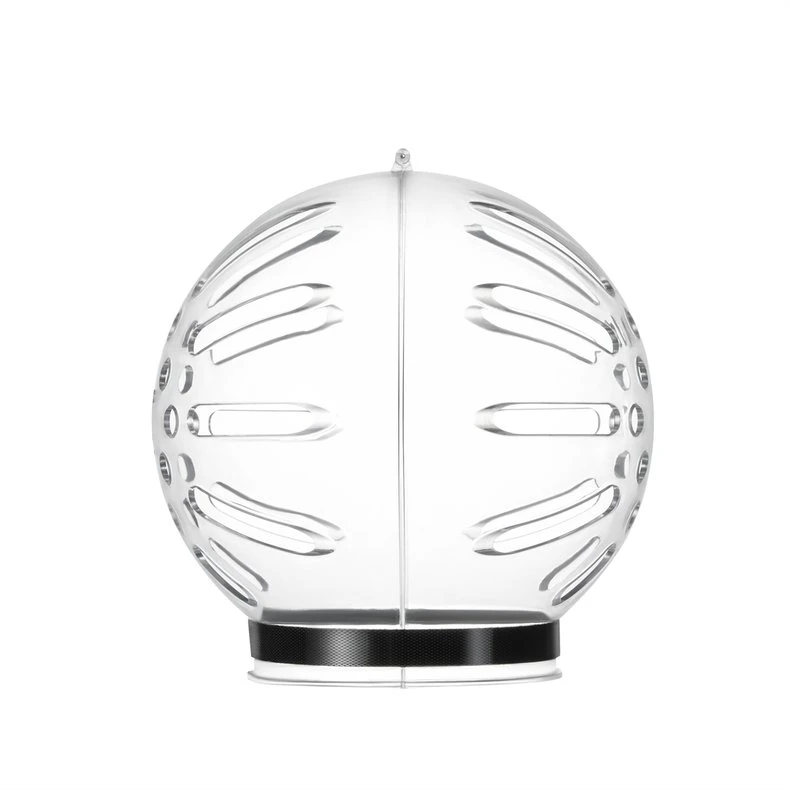
For soft goods like grooming accessories, controlled studio light brings back the texture that flat lighting kills:
3. Studio-Only vs With-Animal Shoots
Most of the pet brands who contact us — gear, toys, beds, feeders — need product-only studio work: consistent catalog images across a range, shot to a template. That is the efficient route: products ship to our studio once, and we work through the SKU list under locked setups so item one and item fifty match.
If your listing genuinely needs an animal in frame — a harness shot on a dog converts better than a harness alone, we won’t argue — animal talent and handlers can be arranged through casting partners, quoted separately from photography rates. Plan extra lead time: animals do not take direction, and the shot list needs slack for that.
For most first orders we recommend starting product-only: white-background and styled scene images carry the listing; on-animal shots can join a later batch once the base catalog is consistent.
4. Workflow for Overseas Pet Brands
The practical route for brands manufacturing in China: your factory ships samples directly to our Guangzhou studio via domestic courier — no export paperwork, transit is a few days inside China. We confirm arrival with photos, lock the shot list with you, shoot, and deliver to an online proof gallery where you review from your own time zone. Standard delivery is 5-7 business days per project.
Pricing follows our three transparent packages: white-background essentials from $12/image, styled scenes from $35/image, and full content packages from $80/SKU. All rates are starting prices — the final quote depends on your SKU count and shot list. Details on the logistics sit on our near-factory photography page; Amazon-specific requirements are covered in our Amazon requirements guide.
Frequently Asked Questions
Can you photograph pet products without animals?
Yes — most pet gear catalogs are shot product-only in the studio: white-background mains, styled scenes, scale shots and material close-ups. When a listing needs an animal in frame, we arrange animal talent and handlers through casting partners, quoted separately.
How do you show size and scale for pet products?
With deliberate scale cues: familiar reference objects in styled scenes, hands where appropriate, and dimension callouts on infographic images. Scale confusion is a top return driver for pet gear, so we treat it as a required shot, not a bonus.
Can you handle shiny or reflective materials like webbing and hardware?
Yes. Nylon sheen, metal buckles and reflective strips are lighting problems with known solutions: diffused large-source lighting for webbing, controlled specular placement for hardware, and a dedicated exposure pass for reflective strips when they are a selling point.
What does pet product photography cost?
White-background images start from $12 per image (Essential), styled scenes from $35 per image (Growth), and full content packages including infographics from $80 per SKU (Premium). All rates are starting prices; the final quote depends on your catalog size and shot list.
Selling pet gear online?
Send us your SKU list and a few reference images — we will come back with a shot plan and per-image pricing. Samples can ship straight from your factory to our Guangzhou studio.
Get a Quote HongSenior Photographer