

Dash Cam Product Photography
- Published:
- 2018-12-28 10:26:06
- Lead Photographer:
- June (Product Photography Team Lead)
- Source:
- AIMI Visual Media
- Last Updated:
- 2026-09-07 09:37:32
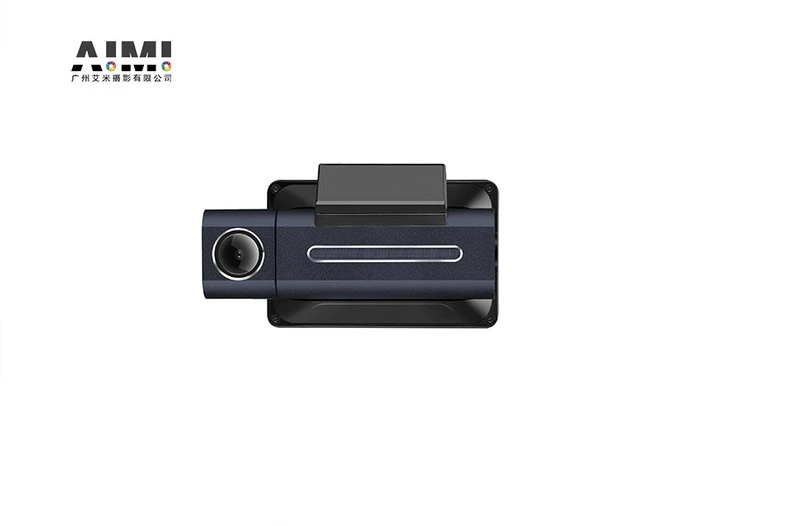
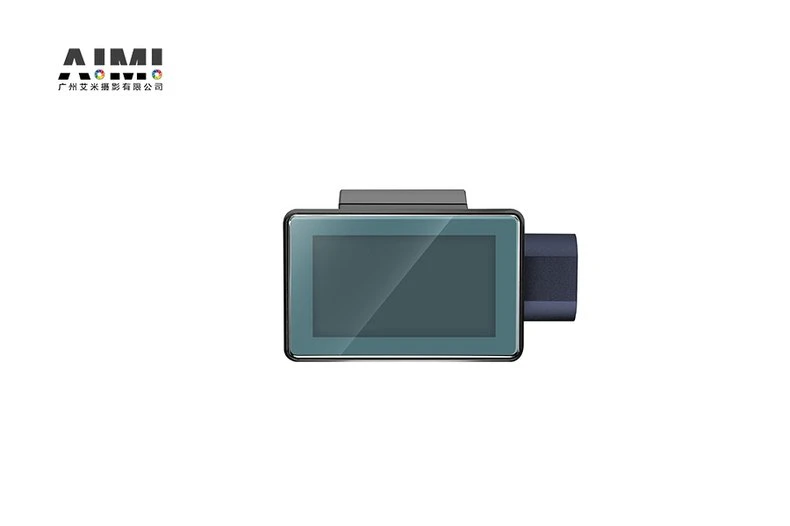
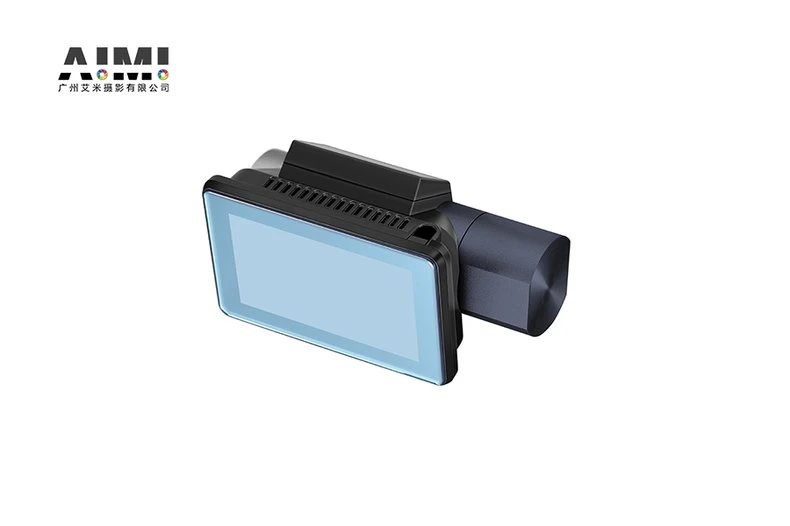
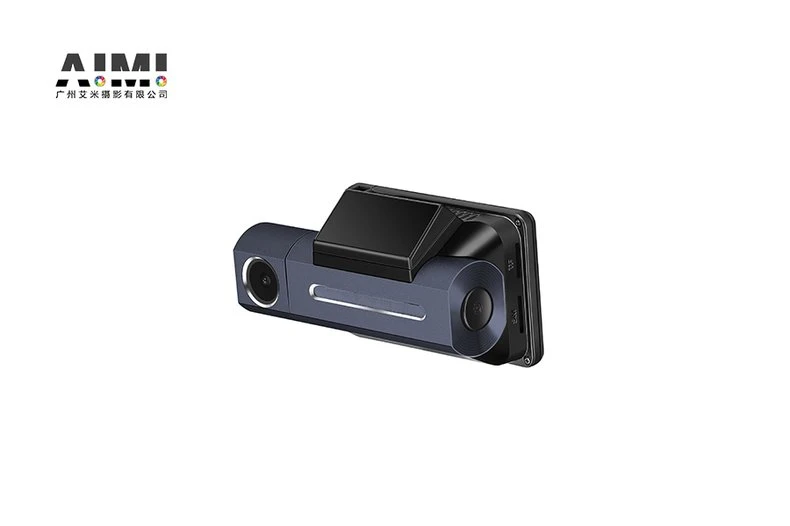
AIMI Visual Media photographed this dual-channel dash cam at its Guangzhou studio for an aftermarket car electronics seller's Amazon catalog. The 4-image white-background set covers both camera modules, the color screen, and the windshield mount, shot with a three-light setup on a Canon EOS 5D Mark IV.
▶ View full project details, specifications & FAQ
A dual-channel dash cam records the road ahead and the cabin at once, and buyers count lenses, check the screen, and inspect the mount before reading the listing. The client, an aftermarket car electronics seller, needed those answers visible from thumbnails. We delivered 4 white-background images from AIMI Visual Media's 3,000 m² studio in Tianhe District, Guangzhou, covering the full dual-lens system and its bracket.
| Project Overview | |
|---|---|
| Client | Aftermarket car electronics seller (Amazon catalog) |
| Product | Dual-channel dash cam: front and cabin lenses, color screen, windshield mount |
| Shots Delivered | 4 white-background images |
| Lead Photographer | June, Product Photography Team Lead |
| Shoot Location | AIMI Visual Media studio, Tianhe District, Guangzhou |
| Turnaround | 5-7 business days (standard schedule) |
| Usage License | Full commercial license |
Photography Challenges
1. Dark gloss plastic vanishes on white. The housing is dark navy with a glossy top coat. Under one big soft light, the shadow side becomes a featureless black shape while the gloss top throws the softbox back as a white glare patch; adding power only grows the glare. When buttons, seams, and the bracket joint vanish, buyers assume the listing is hiding something. The fix is separation by direction, not volume: a strip box behind the unit draws a thin bright outline along the shell, making the camera a solid object again.
2. The screen and the lens are two mirrors facing the camera. Lit straight on, the display and the glass lens each return either a white rectangle or a dead black void. The screen sits at a fixed angle, so it can't be tilted away from a reflection. Instead we rotated the unit until the screen faced a dark, unlit part of the studio, letting the bezel read clean, and flagged the key light off the lens so only one small catchlight survives. A lens with one controlled point of light reads as glass; a lens reflecting the softbox reads as a sticker.
3. One SKU is actually a four-part system. Buyers count front camera, cabin camera, screen, and mount in the thumbnail. A straight front view flattens the unit and hides the cabin lens; a pure side view sacrifices the screen. The three-quarter hero angle at roughly 30 degrees shows both modules, the bracket joint, and the display in one frame. The other frames each answer one question the hero can't: what the driver sees, what the module looks like, how the mount attaches.
Our Approach
White Background Product Shots
Three lights, each with one job. The key is a large softbox overhead at about 60 degrees, laying the defining highlight along the top edge and giving the navy shell its shape. A fill at camera-left runs at one-third of the key's power, lifting the shadow side enough to show the buttons without a second highlight, because two highlights on gloss plastic make the shape ambiguous. The critical light is a strip box behind and to camera-right: an edge light that draws the thin bright line along the shell's right edge and keeps the dark body from merging into its own shadow. Everything ran on a Canon EOS 5D Mark IV at f/11, ISO 100, where the small aperture keeps both camera modules sharp and the low ISO keeps dark plastic noise-free.
Four-Angle Coverage Plan
With no lifestyle scenes in the brief, the 4 frames had to work as a set. The hero is the three-quarter view above. Frame two turns to the driver side and shows the color screen, the feature buyers check for menu usability. Frame three isolates the side camera module. Frame four lays out the full dual-lens system with the windshield mount attached, answering what the buyer gets in the box. All four share one locked lighting setup, so color and contrast match and the listing reads as one product, not four sessions.
Post-Production & Retouching
Dark gloss edges defeat automated cutout tools: where reflection meets shadow the edge is a gradient, not a line, and one-click extraction leaves a white halo or a chewed outline. We hand-traced the clipping path, inspected it at 200% zoom, and removed the dust the edge light had revealed on the gloss coat, because the same light that separates the shell shows every speck on it. White point was set to pure 255 on all frames so they sit identically in the catalog grid. Delivery was full-resolution masters: at 30.4 megapixels, the files clear Amazon's 1,000-pixel zoom threshold with room for tight crops.
"Dark plastic on white is a drawing exercise before it is a lighting one: the edge light sketches the outline, and only then can the other lights fill in the details." — June, Product Photography Team Lead
| Technical Specifications | |
|---|---|
| Camera | Canon EOS 5D Mark IV (30.4 MP full-frame), tripod-mounted |
| Exposure | f/11 at ISO 100 for front-to-back sharpness |
| Lighting | 3 heads: softbox key 60° overhead, fill camera-left at ~1/3 power, strip-box edge light rear-right |
| Coverage | Three-quarter hero, screen view, side module, full system with mount |
| Post-Production | Hand-traced clipping path, 200% zoom edge check, 255 white point |
| Delivery | 5-7 business days, full commercial license |
Frequently Asked Questions
What does a white-background dash cam set cost?
White-background product photography starts at $12 per image under Essential, so a 4-image set like this starts around $48. Styled or lifestyle frames start at $35 per image under Growth. Rates are starting prices; the final quote depends on angle count and SKUs. Our 2026 pricing guide breaks down the tiers.
How long does a 4-image dash cam shoot take?
Standard delivery is 5-7 business days from product arrival in Guangzhou. On dark gloss products, most bench time goes into locking the edge light and screen angle before the first frame. Rush scheduling is available.
Can these images go straight into an Amazon listing?
Yes. The hero is pure white at 255, the product fills the frame per main-image rules, and the 30.4-megapixel masters clear Amazon's 1,000-pixel zoom threshold. A+ layouts are a separate service starting at $80 per SKU.
How do you keep a dark dash cam from turning into a black blob?
With an edge light, not more light. A strip box behind the unit draws a thin outline along the shell while the fill stays at one-third power, so the gloss top doesn't grow a second glare patch and the buttons, seams, and bracket joint stay readable.
Can you show both the front and cabin lenses in one shot?
That is what the three-quarter hero does: at roughly 30 degrees it covers the front lens, cabin module, screen, and bracket joint in one frame. Each module also gets its own close frame, answering how many cameras there are and what each looks like.
Our dash cam has a glossy screen. Won't it reflect your lights?
We rotate the unit until the screen faces a dark, unlit part of the studio, so the bezel reads clean, and flag the key light off the lens so only one small catchlight remains. The screen photographs dark, exactly how buyers expect an off-state unit to look.
Need professional photography for your car electronics products?
Dash cams, chargers, mounts, and interior accessories: catalog-ready sets for Amazon and DTC sellers from our 3,000 m² Guangzhou studio.
Get a Free Custom QuoteView More Automotive CasesRelated services: Amazon FBA Photography · Near-Factory Photography
Related cases: Dual USB car charger photography · Chrome car aroma diffuser photography
 Photography Insights
●How to Choose an Amazon Product Photography Service: A 12-Point Checklist for Sellers, Brand Owners, and Ecommerce Teams
- A 12-point checklist for picking an Amazon product photography service: portfolio depth, pricing transparency, licensing, and turnaround.
●Amazon Product Photography Cost Guide 2026: Complete Price Breakdown & ROI Calculator
- Amazon product photography costs broken down line by line for 2026, with an ROI framework for deciding how many images a SKU actually needs.
●The Complete Guide to Amazon Product Photography 2026: Authoritative Solutions from Compliance to High Conversion
- The complete Amazon image playbook for 2026: compliance specs, slot strategy, A+ Content, and conversion-tested image sequencing.
●Product Photography Pricing in China - 2026 Complete Guide
- Product photography pricing in China for 2026: what drives rates up or down, package tiers, and how to compare quotes on equal terms.
●Amazon Product Photography Requirements, Tips and How to Get It Done in China
- Amazon product photography requirements explained: image specs, main vs lifestyle slots, zoom minimums, and the listing mistakes to avoid.