

Winter Outerwear Studio Photography
- Published:
- 2018-11-02 13:48:34
- Lead Photographer:
- Garbo (Senior Photographer)
- Source:
- AIMI Visual Media
- Last Updated:
- 2026-09-07 15:46:23
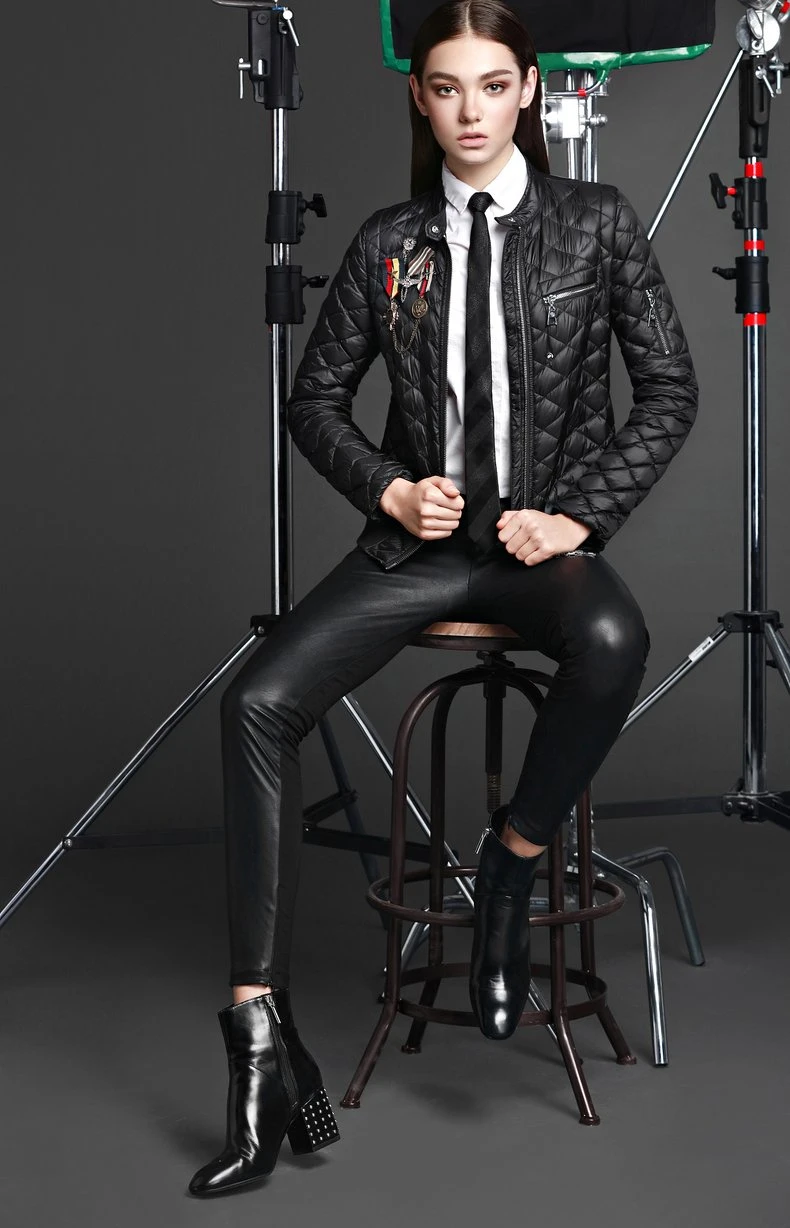
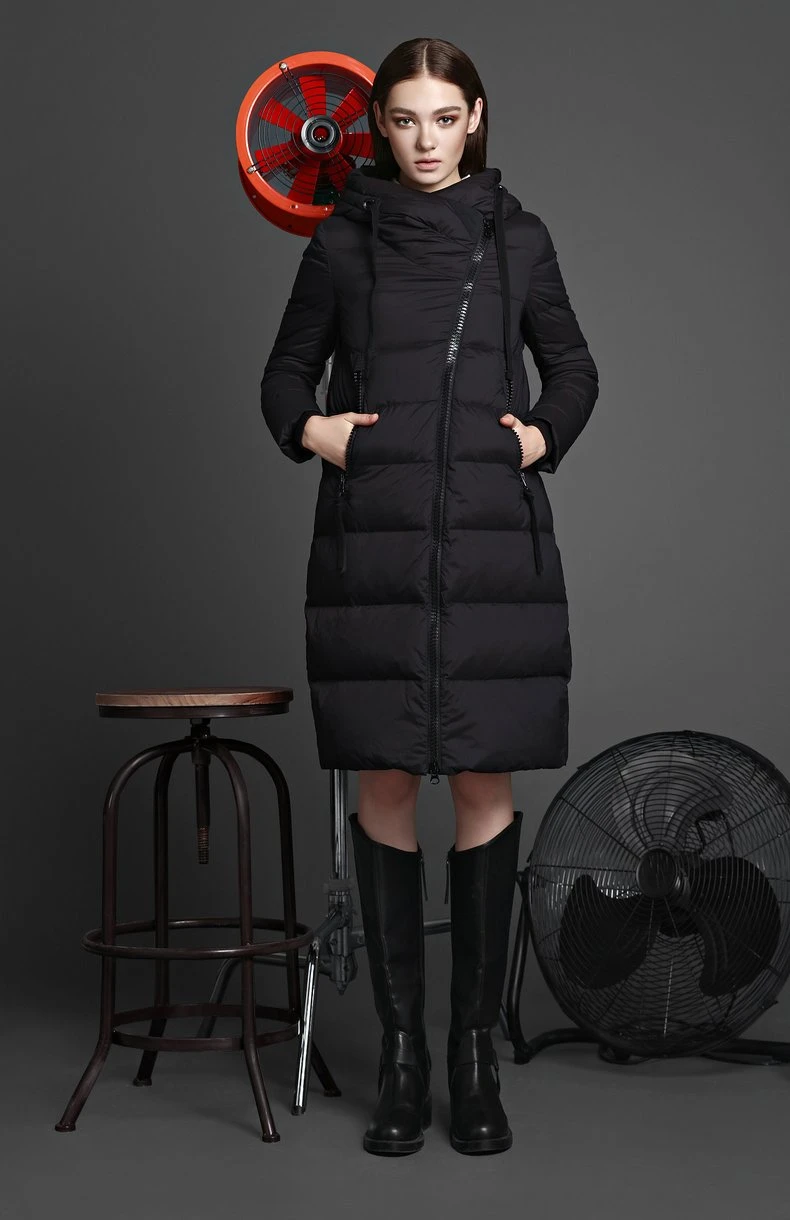
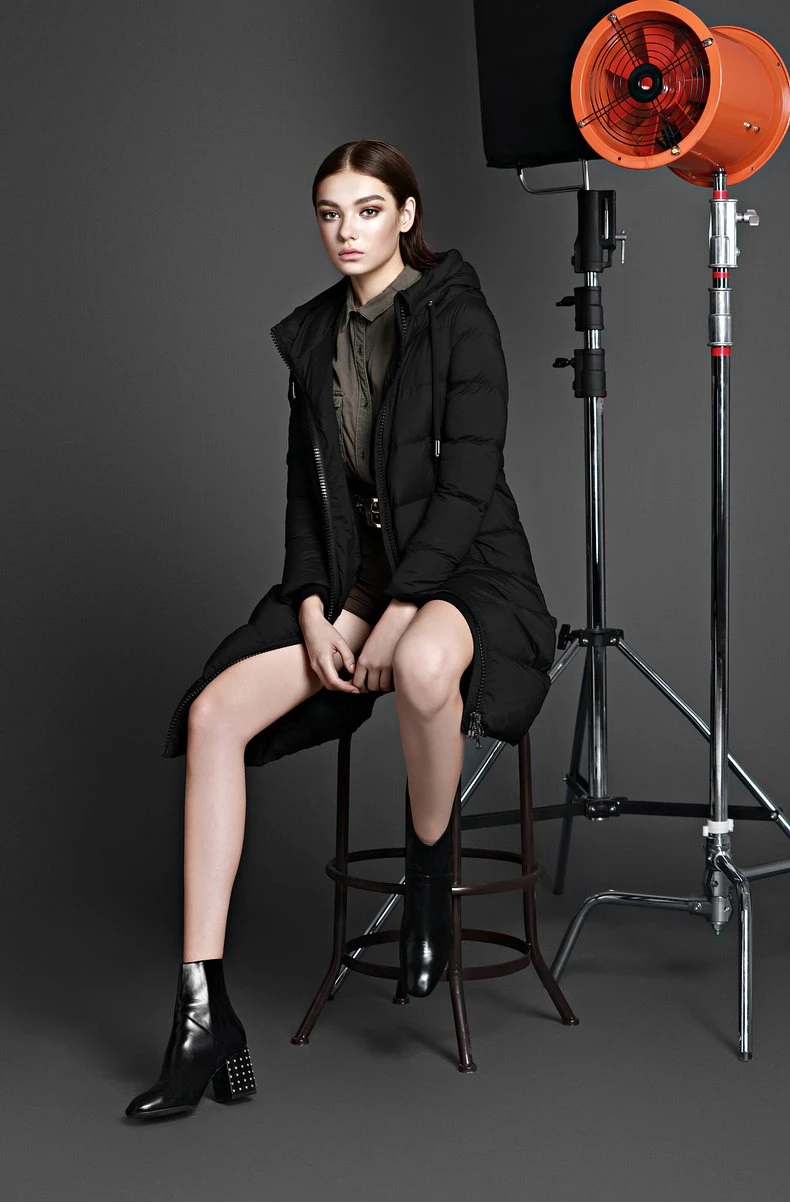
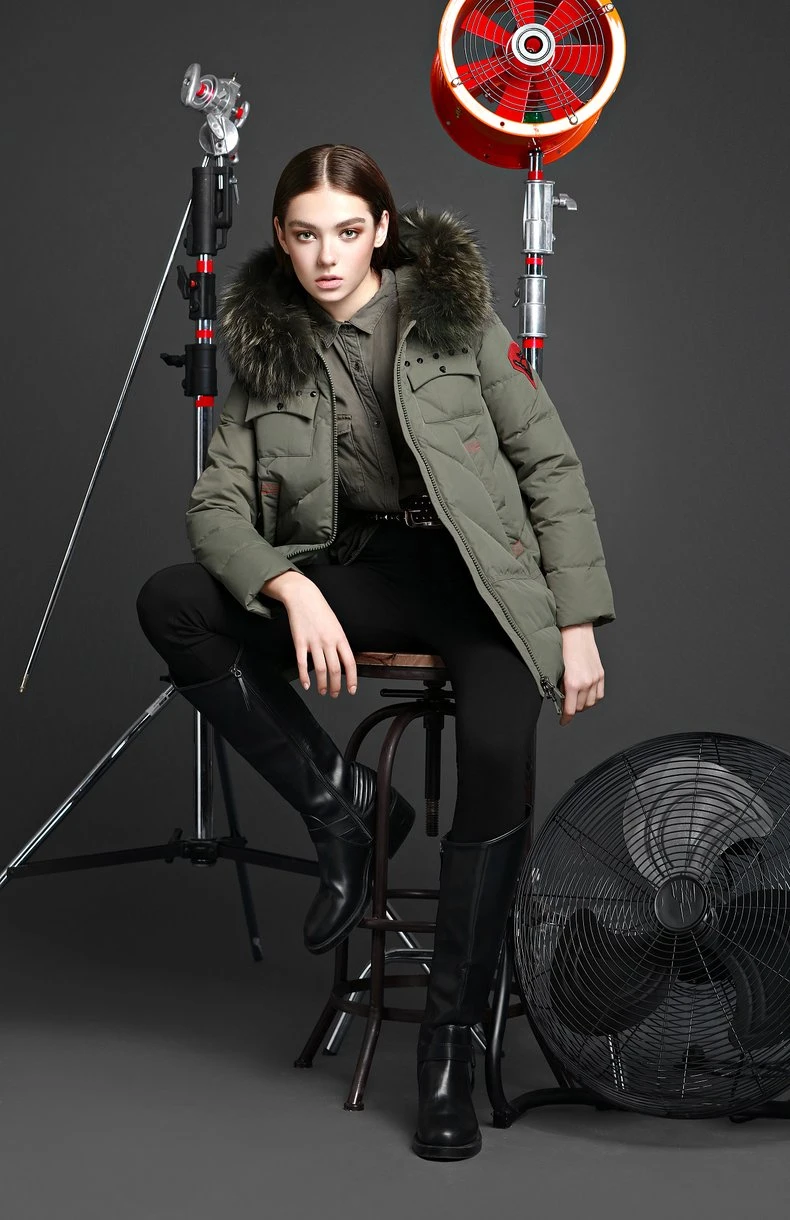
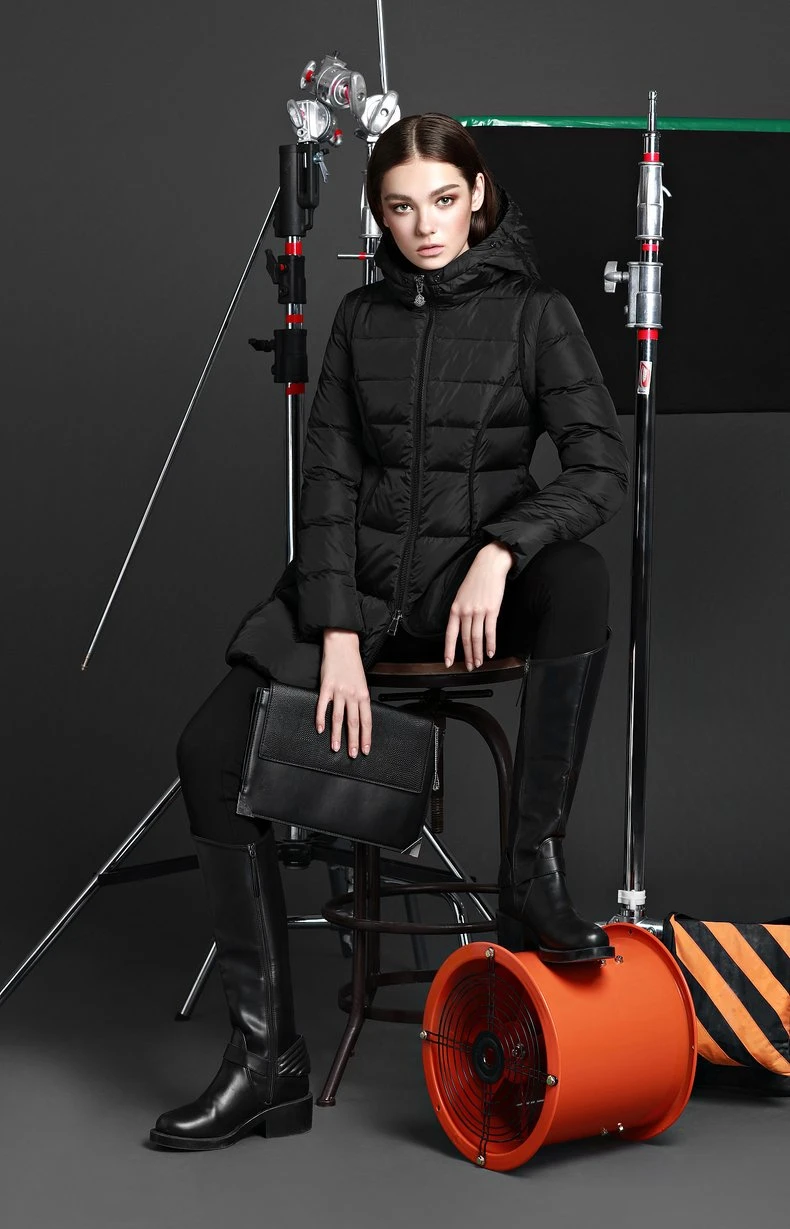
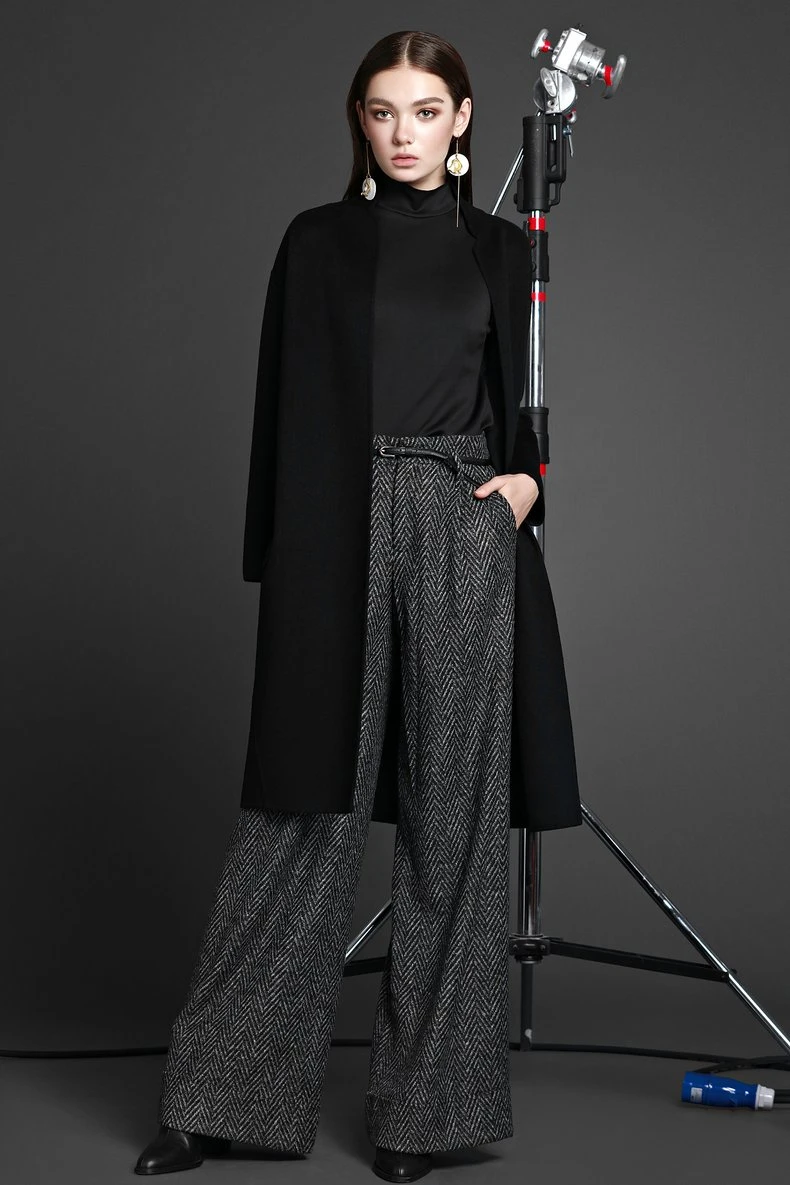
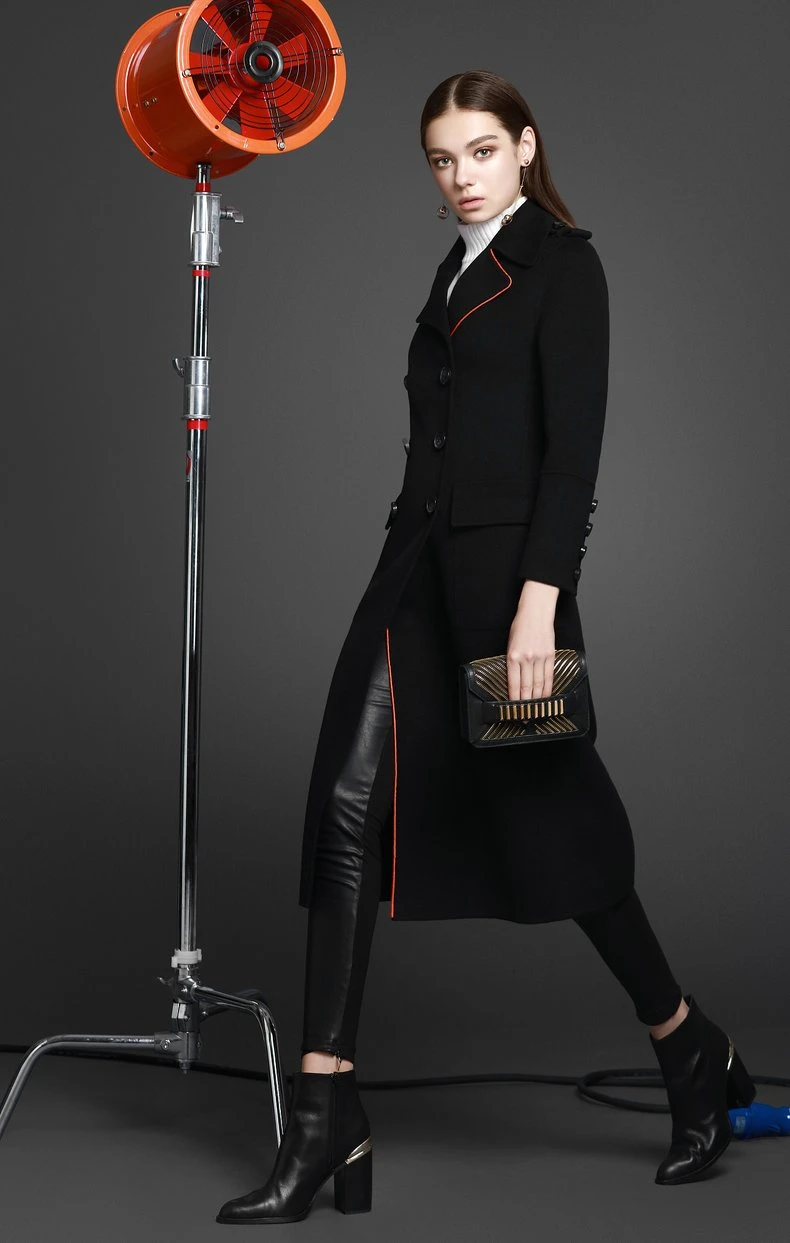
AIMI Visual Media photographed a seven-frame winter outerwear series on a dark gray studio set: quilted down coats, a fur-trim parka, and tailored wool coats on one model, with the working set itself, softbox, industrial fan, wooden stool, left visible in frame. The 7 delivered images carry a full commercial license.
▶ View full project details, specifications & FAQ
The client was a womenswear seller launching a winter line of quilted down coats and tailored wool overcoats. We shot the series on our dark gray seamless set in Guangzhou with one model, and made a deliberate choice to leave the working studio in the frame: the green-edged softbox, the orange industrial fan, the wooden stool, and the C-stands appear as composed set elements rather than clutter to crop out. Seven frames cover five down and puffer styles plus two long wool coats, delivered with a full commercial license.
| Project Overview | |
|---|---|
| Client | Womenswear seller launching a winter outerwear line |
| Product | 5 quilted down/puffer styles (one fur-trim hood) + 2 tailored long wool coats |
| Shots Delivered | 7 studio images (standing poses, one working position) |
| Location | Dark gray seamless set, AIMI Guangzhou studio |
| Lead Photographer | Garbo, Senior Photographer |
| Lighting | Softbox key with rim separation; studio gear left visible in frame |
| License | Full commercial: store, advertising, marketplace |
Photography Challenges
1. Black quilted nylon on a dark gray set A black puffer against dark gray is a silhouette waiting to disappear: the jacket's edge and the backdrop share one brightness value, and the quilting panels smear into a single black mass under flat light. We keyed from the upper front-left and added a strip light behind the model's right shoulder, so a thin rim traces the shoulder, hood, and sleeve edges, and angled the model so each quilted panel catches the key at a slightly different angle. The coat separates from the set, and the diamond quilting reads as texture instead of noise.
2. Down coats photograph stuffed or flat, never by accident A down coat fresh from a carton hangs like a deflated bag, and one over-steamed looks like a sleeping bag with sleeves. We hung each coat overnight to recover its loft, then shaped the quilting by hand on set so the baffles read evenly under the key light. The goal is the coat a buyer actually receives, warm and structured, not showroom-inflated, and the frames show the difference panel by panel.
3. Fur trim eats exposure for breakfast The parka's fur-trimmed hood mixes bright guard hairs with a dark undercoat, and it either blows to a white halo or sinks into a gray mat. We flagged the key off the hood so the fur sits a stop under the face, then let the rim light pick out the guard hairs from behind. The trim reads as fur, individual fibers with depth, instead of a glowing ring around the model's head.
4. Leaving the gear in frame without looking messy Showing the working set is an editorial decision, and it fails the moment the gear looks like it was forgotten instead of placed. We composed the softbox, fan, and stool as deliberate background objects, squared to the frame, cables dressed out of sight, the orange fan set as the single color accent against the gray. The set reads as a working studio on purpose, which gives the coats an editorial context a bare sweep cannot.
Our Approach
Lighting
Position: large softbox key high at front-left, strip softbox behind-right for rim separation on black nylon, flag cutting spill off the gray backdrop. Settings: key metered for the face, rim one stop over the key on the shoulder edge, backdrop held two stops under. Why: black quilted fabric only shows its panel structure when each plane catches light at a different angle, and the rim is what keeps the coat's silhouette from merging into the set.
Camera and exposure
Canon EOS R5 on tripod, RF 70-200mm f/2.8L at 85-135mm, f/8 for full-length sharpness across bulky garments, ISO 100, 1/160s sync. Why: outerwear buyers zoom to inspect quilting, zippers, and fur, so the series trades shallow-depth prettiness for edge-to-edge product detail at f/8.
Set and series
One locked camera position, model on a taped mark, wooden stool and orange fan fixed as composed props, five down styles shot first, then two wool coats after a lighting check. Why: a frozen set with only the garment changing is how seven frames across two fabric families keep one consistent editorial voice.
"Photographing a winter coat is photographing air: the warmth a buyer is paying for lives in the loft between the quilting, and loft only shows when light rakes across it instead of into it. Light placement is a compositional decision, not a technical afterthought, and that belief is how our photography team approaches every outerwear brief." — Garbo, Senior Photographer
| Technical Specifications | |
|---|---|
| Camera | Canon EOS R5 (45MP full-frame), tripod |
| Lenses | RF 70-200mm f/2.8L at 85-135mm |
| Exposure | f/8, ISO 100, 1/160s sync |
| Lighting | Large softbox key front-left, strip rim behind-right, backdrop flagged |
| Set | Dark gray seamless with visible working gear: softbox, orange fan, wooden stool |
| Series | 7 frames: 5 down/puffer styles + 2 tailored wool coats |
Frequently Asked Questions
What does a seven-frame outerwear studio series cost?
On-model studio photography starts at $35 per image under the Growth tier, so a 7-image series like this one starts around $245, with model fees quoted separately. Styled campaign layouts start at $80 per image under A+ Content. All rates are starting prices; our 2026 pricing guide explains the tiers.
How do you photograph a black puffer on a dark background?
With separation light. In this series a strip softbox behind the model's right shoulder rims the hood, shoulder, and sleeve edges, while the key from the upper front-left angles across the quilted panels so each one catches light differently. The backdrop is flagged two stops under, which is what keeps the coat's silhouette carved out of the gray.
Why is the studio equipment visible in the frames?
On purpose. The client wanted an editorial context rather than a bare sweep, so the softbox, orange industrial fan, and wooden stool were composed as set elements, squared to the frame with cables dressed out of sight. The orange fan also serves as the single color accent against the gray set.
How do you keep down coats from looking flat in photos?
Loft management. Each coat in this series hung overnight to recover from shipping compression, then we shaped the quilting by hand on set so the baffles read evenly under the key light. A down coat should photograph like the product the buyer receives, warm and structured, not vacuum-packed and not over-stuffed.
How long does an outerwear series take to deliver?
These 7 images were delivered in 3 business days: one shoot day including garment prep, one day of culling and client selection, one day of retouching. Bulky outerwear adds prep time for steaming and shaping, which we build into the schedule.
When should a winter line be photographed?
Count backwards from your listing date. This series took 3 business days from shoot to delivery, but peak season, September through November, books out model and studio time weeks ahead. Most of our outerwear clients shoot in late summer so listings go live before the first cold snap, not after it.
Do the images work for both Amazon and brand stores?
Yes. The full commercial license covers store, marketplace, and advertising use. The f/8 detail framing in this series satisfies buyers who zoom to inspect quilting and zippers, and we deliver high-resolution masters plus web-ready crops for each channel.
Winter coats whose warmth should show in the photo?
Outerwear photographed on our Guangzhou studio sets, with model, garment prep, and full commercial license included from $35 per image.
Get a Free Custom QuoteView More Womenswear CasesRelated services: Amazon FBA Photography · Near-Factory Photography
Related cases: tailored suits studio photography · leather jacket and wool coat photography
 Photography Insights
●How to Choose an Amazon Product Photography Service: A 12-Point Checklist for Sellers, Brand Owners, and Ecommerce Teams
- A 12-point checklist for picking an Amazon product photography service: portfolio depth, pricing transparency, licensing, and turnaround.
●Amazon Product Photography Cost Guide 2026: Complete Price Breakdown & ROI Calculator
- Amazon product photography costs broken down line by line for 2026, with an ROI framework for deciding how many images a SKU actually needs.
●The Complete Guide to Amazon Product Photography 2026: Authoritative Solutions from Compliance to High Conversion
- The complete Amazon image playbook for 2026: compliance specs, slot strategy, A+ Content, and conversion-tested image sequencing.
●Product Photography Pricing in China - 2026 Complete Guide
- Product photography pricing in China for 2026: what drives rates up or down, package tiers, and how to compare quotes on equal terms.
●Amazon Product Photography Requirements, Tips and How to Get It Done in China
- Amazon product photography requirements explained: image specs, main vs lifestyle slots, zoom minimums, and the listing mistakes to avoid.