

Packaging Testing Instrument Photography
- Published:
- 2019-01-10 14:36:31
- Lead Photographer:
- June (Product Photography Team Lead)
- Source:
- AIMI Visual Media Co., Ltd.
- Last Updated:
- 2026-09-16 23:47:00
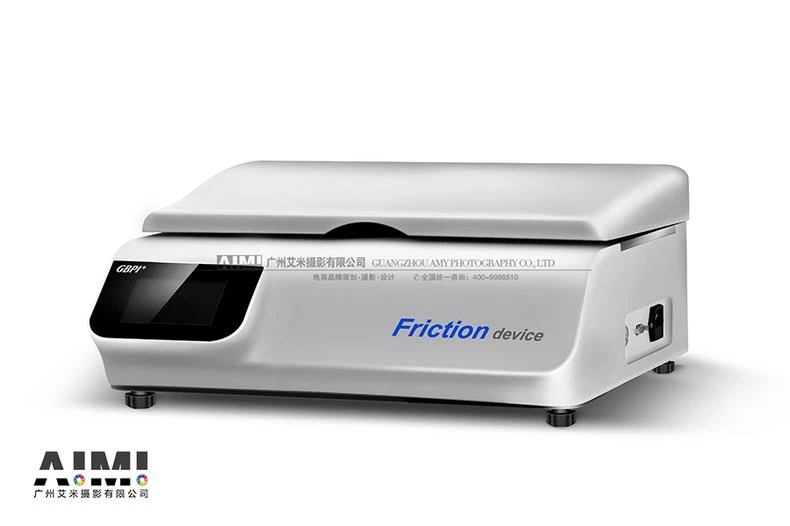
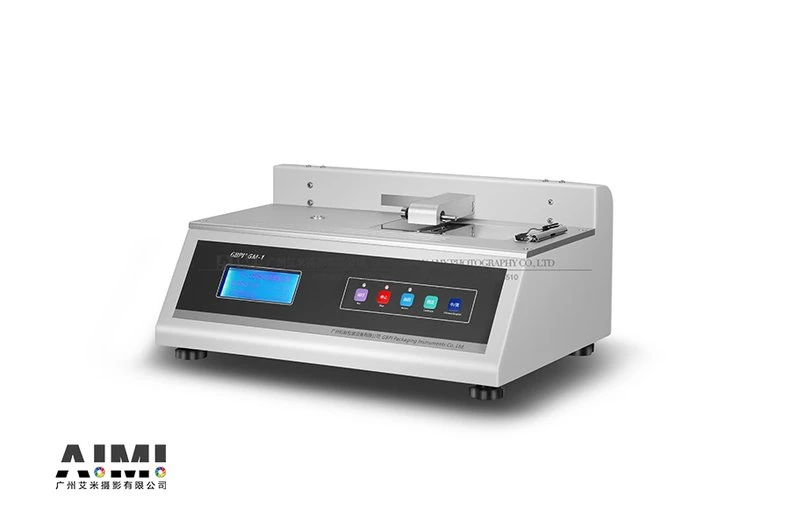
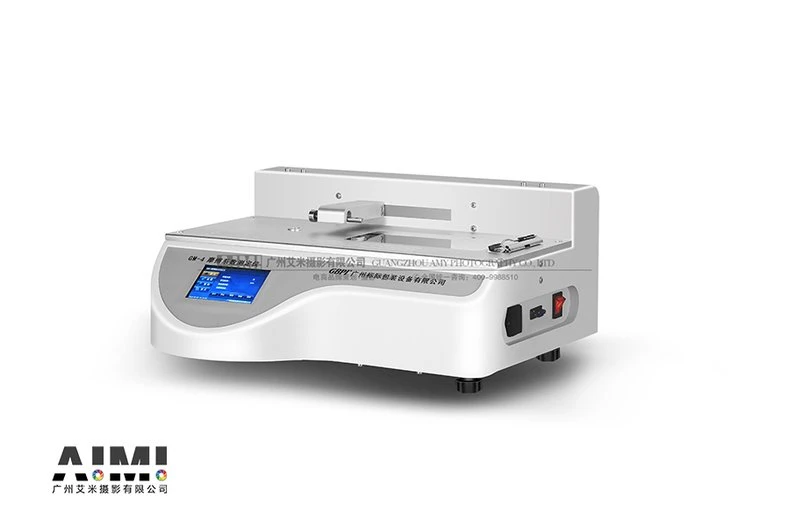
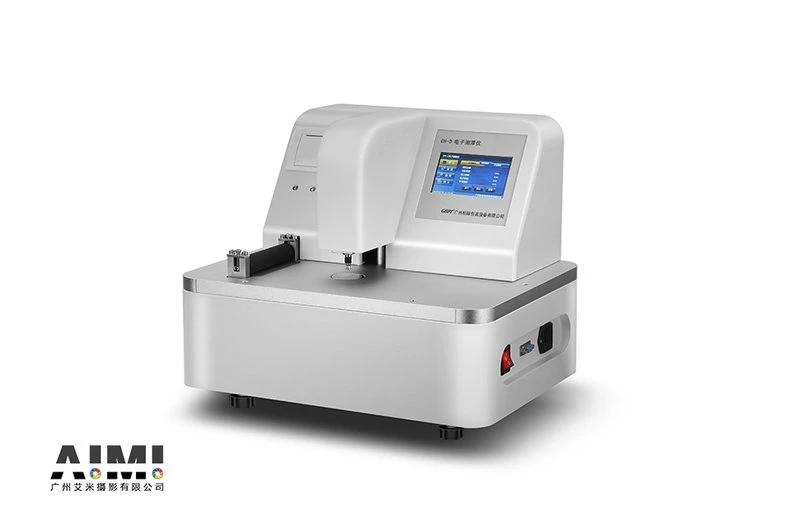
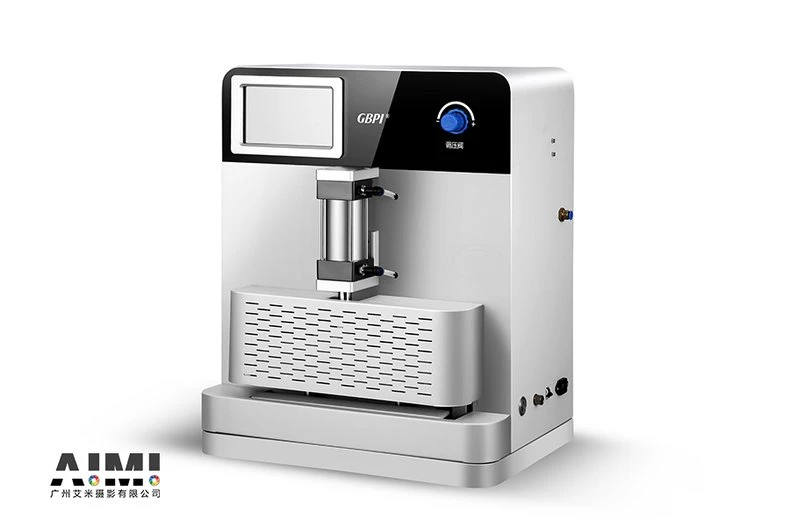
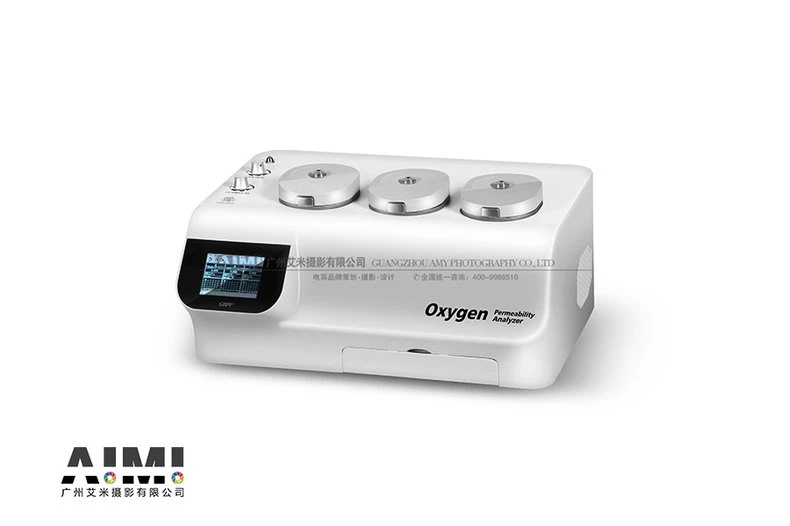
Six benchtop testing instruments from one laboratory equipment catalog, from friction testers through heat seal units to an oxygen permeability analyzer, photographed on one white sweep with screens lit and controls legible for buyers who read frames like datasheets every day.
▶ View full project details, specifications & FAQ
Laboratory instruments sell to engineers who read the frame like a datasheet: ports, platens, displays, clamp hardware. The session treated six different machines as one family, holding camera height and lighting constant while each unit was swapped in, powered where useful, and shot square so every control surface is readable.
| Project Overview | |
|---|---|
| Product type | Packaging and materials testing instruments, six models |
| Deliverables | Six catalog frames, one per instrument |
| Shoot location | AIMI studio, Guangzhou |
| Styling | Seamless white, soft shadow, no props |
| Usage | Product catalog, distributor listings and trade materials |
Photography Challenges
1. Six machines, one visual language. A catalog works when any two frames can sit side by side. Camera height, lens and lighting were locked for the session, and each instrument was leveled to the same baseline, so the range reads as a designed family rather than six separate portraits.
2. Screens that flicker against the shutter. Backlit LCDs band and flicker under short exposures. Shutter speed was tuned to the panel refresh and brightness was set on the instrument itself, so displays photograph clean and legible without a composited screen.
3. Mixed materials on one body. Powder-coated steel, brushed test beds, glass bezels and rubber feet all want different light. A large soft key with flagged panels kept coatings matte, metal bright and glass readable in a single capture.
Our Approach
Catalog discipline
One sweep, one camera height, one lighting plan. Instruments were rolled through taped positions, which keeps the whole catalog consistent and makes future model additions trivial to match.
Real screens, tuned capture
Panels were powered and shutter speed matched to refresh rate. A real screen with real readouts carries more trust with technical buyers than any retouched graphic.
Square, honest framing
Engineers distrust drama. Every frame is a level, square three-quarter or front view with the full control deck visible, composed for spec-sheet reading rather than advertising flair.
"Industrial buyers do not want to be seduced; they want to verify. Photograph the machine square, light it honestly, keep the display real, and the frame does the selling by simply being trustworthy." — June, Product Photography Team Lead
| Technical Specifications | |
|---|---|
| Camera | Full-frame DSLR, 50-85mm equivalents, leveled |
| Lighting | Large soft key with flagged panels per material |
| Displays | Real powered screens; shutter tuned to panel refresh |
| Consistency | Locked camera height and taped positions for all six |
| Output | Print and web-resolution masters |
Frequently Asked Questions
Can you photograph a whole instrument catalog consistently?
Yes, that is the standard job. Camera height, lighting and product baseline are locked once, then every model runs through the same setup. Models photographed in later sessions can be matched to the original template.
Do you power on instrument displays for the shoot?
Where the display matters to buyers, yes. We tune shutter speed to the panel so the readout photographs cleanly. Real screens beat composited graphics for technical credibility.
Can you handle heavy benchtop or floor equipment?
Yes. Our Guangzhou studio handles benchtop instruments through floor-standing machinery, with protected flooring, two-person moves and taped position marks for repeatability.
A catalog that needs to read as one family?
Send the model list and dimensions. We will lock the setup once and run every instrument through it, now and for future additions.
Get a Free Custom Quote View More Electronics CasesRelated services: Amazon FBA Photography · Near-Factory Photography
Related cases: Servo and Four-Post Hydraulic Press Photography · Hydraulic Press Machine Catalog Photography · Medical Therapy Device Catalog Photography
 Photography Insights
●How to Choose a Product Photography Studio in Guangzhou, China
- A buyer checklist for vetting Guangzhou studios on glossy-surface lighting, composite work and retouch depth.
●Why Global Brands Outsource E-commerce Photography to China
- Why electronics brands consolidate packshot, detail and lifestyle photography with one China studio partner.
●Product Photography Pricing in China - 2026 Complete Guide
- What drives per-SKU pricing for electronics shoots: set builds, multi-colorway coverage and retouch hours.
●The Complete Guide to Amazon Product Photography 2026: Authoritative Solutions from Compliance to High Conversion
- The 2026 Amazon image playbook covering compliance, secondary slots and lifestyle frames for electronics.
●10 Product Photography Tips That Boost E-commerce Sales
- Ten image tips that lift conversion, from reflective-surface control to consistent SKU color.