

Motorcycle Gloves Product Photography
- Published:
- 2018-12-13
- Lead Photographer:
- June (Product Photography Team Lead)
- Source:
- AIMI Visual Media Co., Ltd.
- Last Updated:
- 2026-09-15 19:30:36
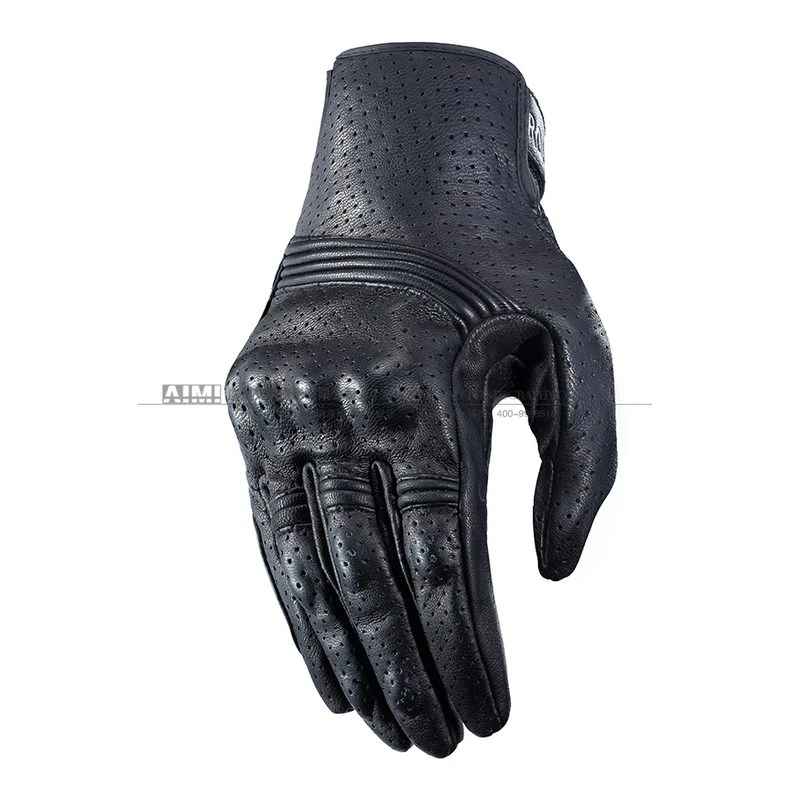
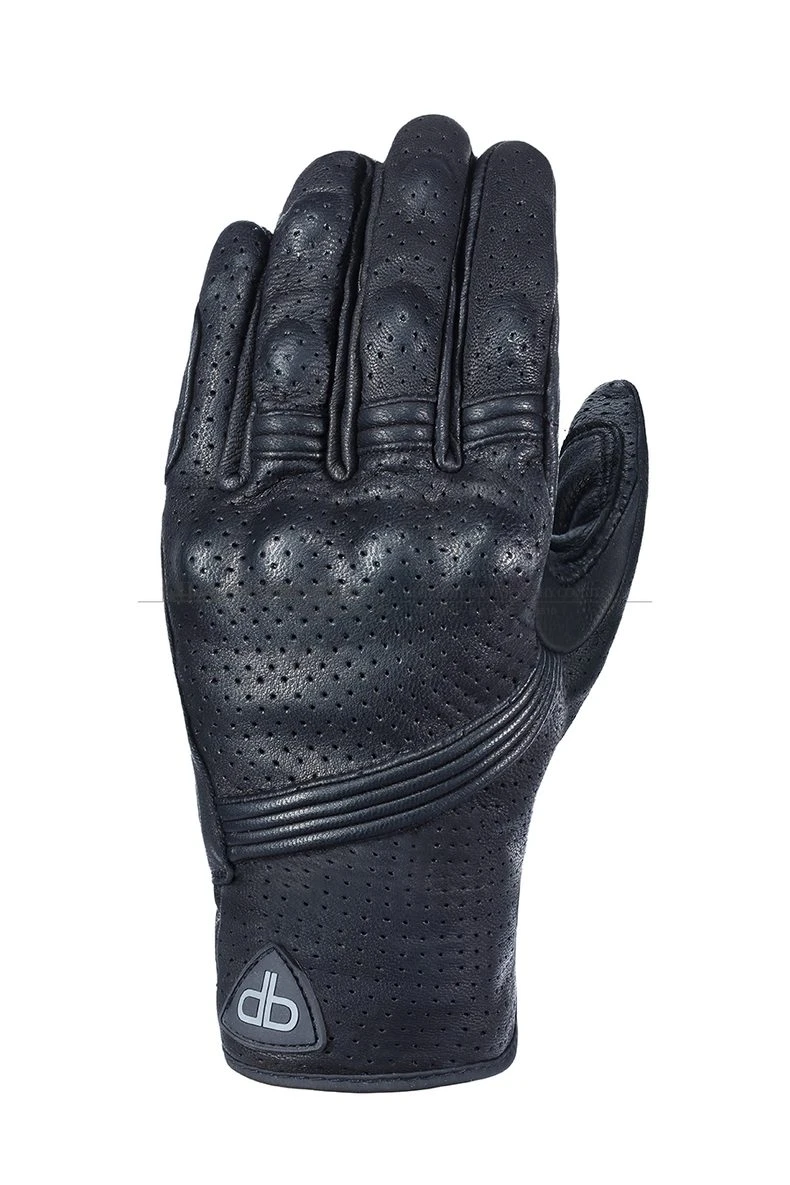
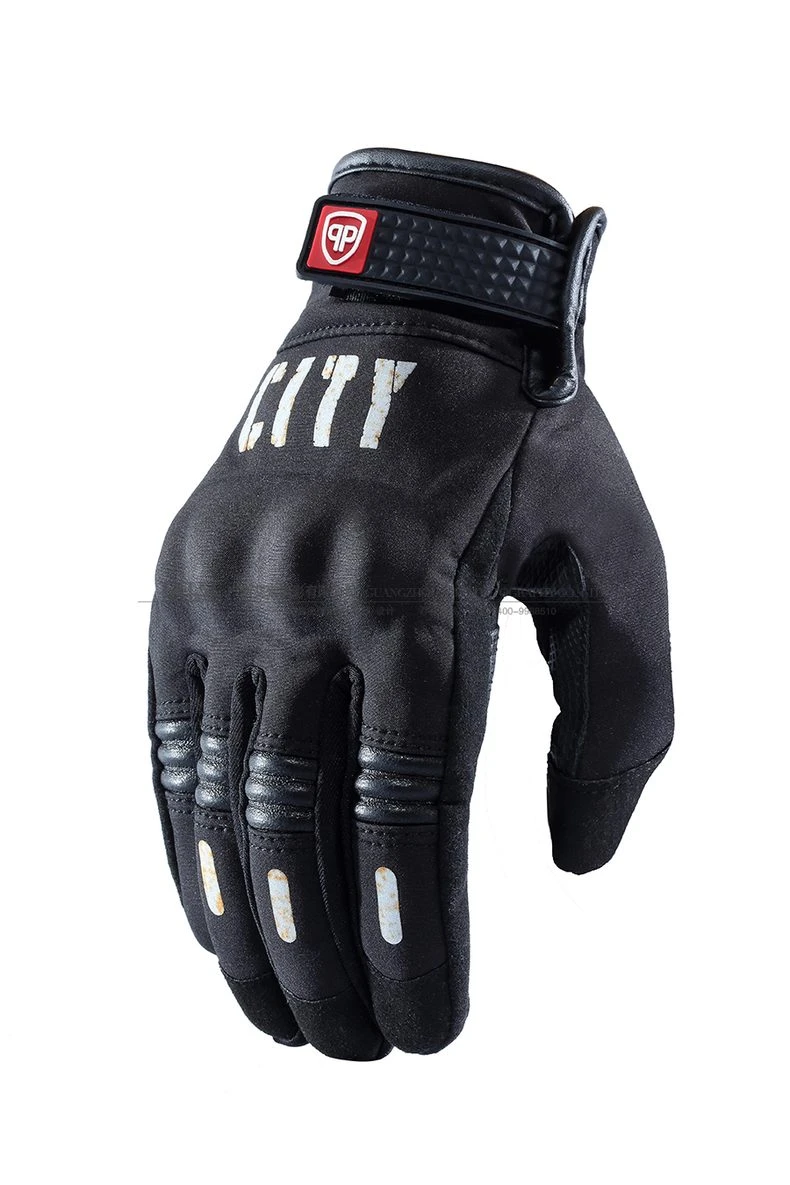
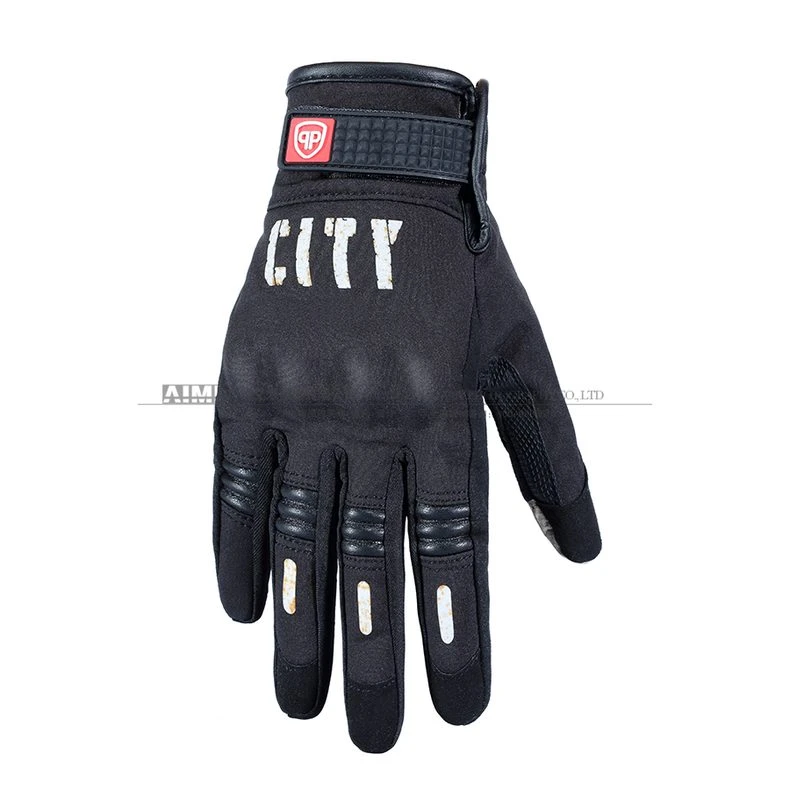
AIMI Visual Media is a product photography studio in Guangzhou, China shooting riding gear for e-commerce sellers. This session delivered 4 white background frames covering three motorcycle glove models — two perforated leather designs and one softshell commuter — delivered in 5 business days. See more of this category in our product photography archive.
▶ View full project details, specifications & FAQ
A riding gear seller brought three glove models that share one job: protect hands on handlebars. Two are perforated leather summer gloves with hidden knuckle padding, the third is a softshell city commuter with a velcro strap, reflective strips and a touchscreen thumb patch. Each glove is photographed on a concealed hand form so it reads as worn, not stuffed flat. All 4 frames were shot on white at the AIMI Visual Media studio in Guangzhou, China, and delivered under a full commercial license.
| Project Overview | |
|---|---|
| Client | A riding gear seller with a multi-model glove catalog |
| Product | Perforated leather summer gloves (2 models), softshell urban commuter glove |
| Shots Delivered | 4 white background frames |
| Lead Photographer | June, Product Photography Team Lead |
| Shoot Location | AIMI Visual Media studio, Guangzhou, China |
| Turnaround | 5 business days |
| Usage License | Full commercial license |
Photography Challenges
1. Black leather on white eats detail at both ends. Expose for the background and the leather becomes a featureless black cutout; expose for the leather and the sweep goes grey and fails marketplace white checks. The key is flagged off the background and a separate strip light lifts the sweep, so the leather keeps its pebbled grain while the background still meters pure white at 255.
2. A glove with no hand inside collapses. Empty fingers fold and the cuff sags, and buyers read that as poor construction. Each glove is mounted on a concealed acrylic hand form with the fingers pre-curved to a grip position, then the perforations are checked one row at a time because a bent finger twists the hole pattern visibly.
3. Perforations turn to noise under hard light. Thousands of tiny punched holes either read as clean ventilation texture or as dirty speckle, and the difference is light angle. A large soft key high and slightly behind lets each hole shadow itself naturally; a frontal flash fills the holes with light and the texture disappears.
4. Softshell fabric and leather sit two stops apart. The CITY commuter glove mixes matte softshell, PU leather trim, rubber strap and reflective print in one small object. Light ratio is balanced for the softshell mid-tone, then a small kicker picks out the reflective strips so they read as safety features, not as grey smudges.
Our Approach
White background, one model at a time.
All 4 frames run on the same locked white sweep at f/11, so the three models drop into one catalog grid with identical scale. The two leather gloves shoot at a three-quarter back angle because that is the face buyers check for knuckle padding and pleats; the commuter glove adds a wrist-strap angle to show the velcro closure and badge.
Shaping as a repeatable step.
The hand form is positioned with the thumb curved to a marked point and fingers resting at grip curl, and the same marked position is reused across all three models. This is what makes the set comparable: buyers can flick between frames and judge glove cut instead of judging photography angles.
Post-production and delivery.
Dust and lint on black leather are the entire cleanup job here — perforation rows are checked at 200% so no hole gets filled by accident. White values are verified at 255 on all four corners, and the 4 frames were delivered as 2000px sRGB JPG plus WebP.
"A glove is a shape before it is a product. Get the form right and the leather tells you the rest." — June, Product Photography Team Lead
| Technical Specifications | |
|---|---|
| Camera | Canon EOS 5D Mark IV |
| Lens | 100mm f/2.8L Macro at f/11 |
| Lighting | Flagged soft key for leather, separate strip light on the white sweep, kicker for reflective strips |
| Sets/Styling | White cyclorama, concealed acrylic hand forms with marked grip positions |
| Talent/Props | No talent; gloves on hidden forms |
| Retouching | Lint removal, perforation check at 200%, white value verification |
| Deliverables | 4 images, 2000px sRGB JPG + WebP |
Frequently Asked Questions
How much does glove photography cost?
White background glove photography starts at $12 per image under our Essential package, so this 4-frame set costs approximately $48 including form shaping and retouching. Styled or on-model versions start from $35 per image under Growth. All rates are starting prices; the final quote depends on your model count.
How long does a glove session take?
This 4-frame set was delivered in 5 business days, inside our standard 5-7 business day window: day 1 for form shaping and light setup, days 2-3 for the three models, days 4-5 for perforation-level retouching.
Do the images meet Amazon's requirements?
Yes. All 4 frames are shot on a white sweep metered to pure 255 white with the product filling the frame, which meets Amazon main image rules, and the 2000px files support zoom on every marketplace.
How do you keep black leather from going flat on white?
The key light is flagged off the background and the sweep gets its own strip light, so exposure is set for the leather alone. The pebbled grain and perforation rows stay visible while the background still meters pure white.
Can you show fit without a model?
Yes. Each glove is mounted on a concealed acrylic hand form with fingers pre-curved to a grip position, so buyers read the cut and articulation. On this set the same marked hand position was reused across all three models for direct comparison.
Can you photograph reflective or safety details accurately?
Yes. The reflective finger strips on the commuter glove are picked out with a small kicker light so they read as visibility features. Touchscreen patches, velcro texture and badge prints are all checked at 200% during retouching.
Need photography for your riding gear?
Contact AIMI Visual Media in Guangzhou, China for glove and gear sets that keep shape, texture and safety details readable on white.
Get a Free Custom Quote View More Product CasesRelated services: Amazon FBA Photography · Near-Factory Photography
Related cases: PNY and HP USB flash drive photography · paper gift bag photography
 Photography Insights
●Product Photography Pricing in China - 2026 Complete Guide
- 2026 pricing guide for gear and accessory photography: per-image rates by shot type and volume.
●10 Product Photography Tips That Boost E-commerce Sales
- Ten image tips that lift conversion, including shaping soft goods so they read as worn, not stuffed.
●Why Global Brands Outsource E-commerce Photography to China
- Why riding gear brands move catalog photography to China studios near their factories.
●The Complete Guide to Amazon Product Photography 2026: Authoritative Solutions from Compliance to High Conversion
- The complete Amazon image playbook for 2026: compliance specs, slot strategy, and conversion-tested sequencing.
●How to Choose an Amazon Product Photography Service: A 12-Point Checklist for Sellers, Brand Owners, and Ecommerce Teams
- A 12-point checklist for picking an Amazon photography service for accessory catalogs.